


- Gokshura benefits for men to increase energy and stamina - July 20, 2026
- Flax seed benefits for hair uses and hair mask - July 9, 2026
- Black plum scientific name benefits and uses - June 19, 2026
There are several reasons behind the high cost of avocados. The primary reason is the limited geographical area suitable for its cultivation, as this fruit thrives only in specific climatic conditions. Production in India is very low consequently. The fruit must largely be imported from abroad, which drives up the cost. The second reason lies in the time and care required for its cultivation. Avocado trees take several years to bear fruit and require specific conditions regarding temperature, water, and soil. Today we will know why avocado is so expensive.
Furthermore, transporting this fruit safely is also an expensive undertaking, as it is highly perishable. The third reason is its surging demand. Nowadays, people regard it as a healthy food source, rich in beneficial fats, vitamins, and minerals. Driven by fitness and dietary trends, the demand for avocados has risen rapidly. While the supply remains limited. This is precisely why avocados command a high price in the market.
Related:- Is grapes good during pregnancy
What is avocado
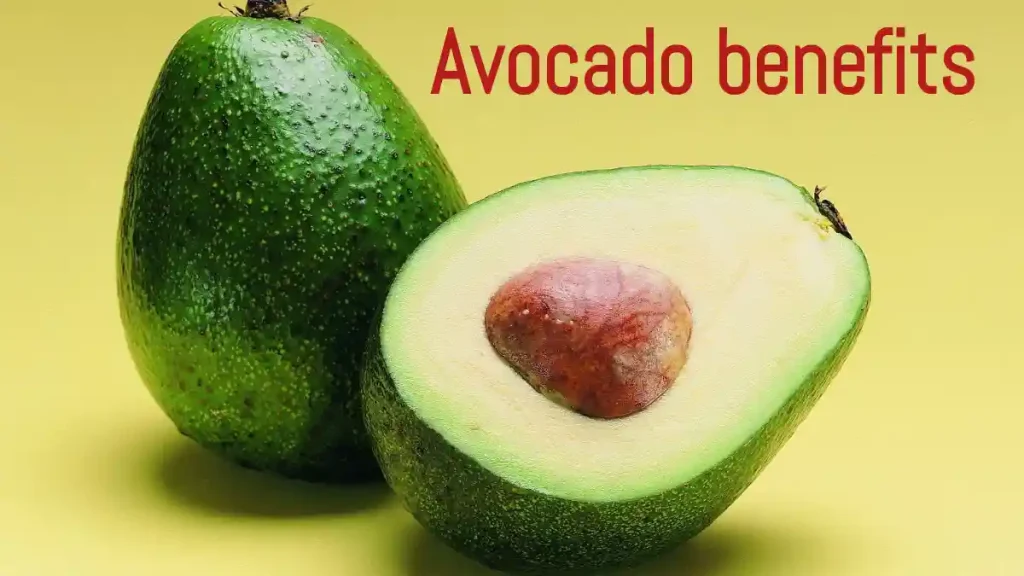
The avocado is a nutrient rich fruit, commonly referred to in india as makkhan phal (Butter Fruit). Its skin is typically green or deep purple in color, while the flesh inside is soft and light green. It possesses a mild, buttery, and creamy flavor, making it a highly popular ingredient in salads, sandwiches, and smoothies. Avocados are abundant in healthy fats, fiber, vitamins E, K, and C as well as potassium.
These qnutrients considered beneficial for heart health, skin radiance, and digestion. It also beneficial in maintaining a healthy weight. Avocados can be consumed raw, mashed, or incorporated into various dishes thereby enhancing both flavor and nutritional value.
Avocado fruit nutrients
- Energy (Calories) – 160 kcal
- Fat – 15 grams
- Carbohydrate – 9 grams
- Fiber – 7 grams
- Protein – 2 grams
- Sugar – 0.7 grams
- Vitamins:-
- Vitamin K – 21 micrograms
- Vitamin E – 2.1 milligrams
- Vitamin C – 10 milligrams
- Vitamin B5 (Pantothenic Acid) – 1.4 milligrams
- Vitamin B6 – 0.3 milligrams
- Folate (Vitamin B9) – 81 micrograms
- Minerals:-
- Potassium – 485 milligrams
- Magnesium – 29 milligrams
- Iron – 0.6 milligrams
- Calcium – 12 milligrams
- Phosphorus – 52 milligrams
Let’s know why avocado is so expensive
Hidden behind the high price of avocados lie several unique and lesser-known factors. Most notably, the cultivation of this fruit requires a specific climate that is not available everywhere. Large-scale cultivation takes place primarily in Mexico, Peru, and a selected few other countries, resulting in a limited supply. Let’s know why avocado is so expensive.
Biological timing (why avocado is so expensive)
A lesser-known fact is that avocado trees are dependent on biological timing. The blooming of their flowers and the process of pollination are highly complex, leading to inconsistent production yields. This is precisely why prices sometimes spike unexpectedly.
High water requirement
Furthermore, avocado cultivation entails an extremely high water requirement. Growing just one kilogram of avocados can consume hundreds of liters of water, a factor that contributes to its high cost. Let’s know why avocado is so expensive.
Known as green gold
In many regions, it is even referred to as “Green Gold,” as demand for the fruit continues to rise steadily while production struggles to keep pace. You can read genuine information on wild based vitamin
Highly perishable storing and transporting
Another unique characteristic is that avocados are highly perishable. Storing and transporting them necessitates specific temperature controls and specialized packaging
Health and wellness trends (why avocado is so expensive)
driven largely by prevailing health and wellness trends. Its growing popularity as a staple in fitness regimens and dietary plans has pushed its market price even higher. Let’s know why avocado is so expensive.
Avocado production and availability
Avocados are primarily produced in tropical and subtropical regions, where temperatures are moderate. And also cold conditions are minimal. Countries such as mexico, peru, chile, and the united states are the largest producers. The climate and soil conditions in these nations are considered ideal for avocado cultivation, resulting in high yields. In India, avocado production is carried out on a limited scale in parts of karnataka, tamil nadu, kerala, and maharashtra. Although cultivation is gradually expanding but current production levels still fall short of meeting the existing demand. That is why avocados are expensive.
Avocado health benefits
Let’s know 15 health benefits of avocados.
- Beneficial for heart health:- Avocados contain monounsaturated fats, which reduce bad cholesterol while increasing good cholesterol. Thats reduce risk of heart disease and keeps the heart healthy.
- Improve digestion:- They are rich in fiber, which helps alleviate issues such as constipation. Regular consumption strengthens digestive function.
- Beneficial for weight management:-Eating avocados promotes a feeling of fullness for an extended period. This prevents frequent hunger and helps keep weight under control.
- Promote glowing skin:- The Vitamin E and antioxidants present in avocados nourish the skin. This makes the skin soft and radiant.
- Beneficial for hair:- Avocados provide strength and nourishment to the hair. They reduce hair loss and make hair thicker and healthier.
- Beneficial for eyes:- They contain nutrients like lutein and zeaxanthin, which help improve eyesight.
- Regulets blood pressure:- Avocados contain potassium, which helps balance high blood pressure.
- Immunity booster:- They contain Vitamin C and other nutrients that boost the body’s immunity.
- Strengthens bones:- Avocados contain calcium and Vitamin K, which help strengthen bones.
- Beneficial for diabetes:- They help keep blood sugar levels under control, providing benefits to patients with diabetes.
- Good for brain health:- Avocados contain healthy fats and Vitamin B, which enhance cognitive function and improve memory.
- Reduce inflammation:- They possess anti-inflammatory properties that help reduce inflammation within the body.
- Body detoxifying:- Avocados help flush toxins out of the body and keep the liver healthy.
- Beneficial during pregnancy:- They contain folate, which is essential for pregnant women and for the development of the baby.
- Energy booster:- it contains natural fats and nutrients that provide energy to the body and reduce fatigue.
How to eat avocado
- Eat it straight:- Cut the avocado in half, remove the pit, and scoop out the flesh with a spoon to eat it directly. Add a pinch of salt or black pepper on top to enhance the flavor.
- Mix into a salad:- Dice the avocado and combine it with cucumber, tomatoes, onions, and lemon juice. This creates a healthy and refreshing salad.
- Spread on bread or toast:- Mash the avocado and spread it over bread or toast. You can add honey, salt, or chili flakes on top to boost the taste.
- Make a smoothie:- Blend the avocado with milk, honey, and a banana. This yields a creamy and nutritious smoothie.
- Prepare guacamole (Dip):- Mash the avocado and mix in lemon juice, salt, garlic, and tomatoes. This can be enjoyed with chips or flatbread (roti).
- Serve with paratha or roti:- Eat mashed avocado alongside parathas or rotis; it is considered a healthy alternative to butter.
- Pair with eggs:- Enjoy slices of avocado alongside boiled eggs or mixed into an omelet. This offers an excellent combination of protein and healthy fats.
- Add to soup:- Incorporating avocado into soup helps make it thicker and creamier.
- With lemon and honey:- Drizzle lemon juice and a little honey over the avocado before eating; this enhances both the flavor and the nutritional value.
- Include in a fruit bowl:- Create a healthy fruit bowl by combining avocado with other fruits such as apples, bananas, and papayas.
- Note:- Always consume ripe avocados, unripe avocados can be hard in texture and bitter in taste.
Who should not eat avocado
Avocado is considered a nutritious and healthy fruit; however, its consumption is not safe or suitable for everyone. Under certain specific circumstances, individuals should either avoid eating it entirely or consume it only in limited quantities. For those with allergies to latex or avocados, this fruit can prove harmful, as it may trigger skin itching, swelling, or other allergic reactions. Furthermore, individuals who already suffer from low blood pressure should exercise caution, as avocados can further lower blood pressure levels. Since this fruit is rich in calories and fats, those attempting to lose weight should consume it in moderation.
Otherwise, there is a risk of weight gain. Some people may also experience gastrointestinal issues, such as gas, indigestion, or stomach pain, after eating avocados. Therefore, such individuals should refrain from consuming them. Finally, those currently taking specific medications, particularly blood thinners they should not consume avocados without consulting a doctor. As the fruit may interfere with the efficacy of these medications.
Side effects of avocado
Avocado is a nutritious fruit, but it can also have certain side effects. Consuming it in excessive quantities may lead to a sensation of heaviness in the stomach, gas, or indigestion. Individuals with a latex allergy may experience an allergic reaction to avocados, such as itching or swelling. Since avocados are high in calories, excessive consumption can lead to weight gain. In some individuals, they may also interfere with the efficacy of certain medications. Pregnant or breastfeeding women should consume avocados in limited quantities, and it is advisable to consult a doctor if necessary.
Conclusion
Several factors are responsible for the high cost of avocados, such as limited cultivation, high production costs, and rising demand. This fruit thrives only in specific climatic conditions, making its availability everywhere unfeasible. Furthermore, it often needs to be imported from abroad, which drives up transportation and tax-related expenses. Its perishable nature also influences its price. Overall, the price of avocados remains high due to low supply and high demand. Although this could potentially decrease in the future as local production increases.
Why avocado is so expensive related FAQs
Ans. Avocado cultivation is limited to specific regions, and the production process itself is costly; consequently, their price remains high.
Ans. Yes, current production levels in India are quite low, this limits their availability and drives up their price.
Ans. Avocados are frequently imported from abroad, which increases their cost due to transportation charges and taxes.
Ans. Yes, adverse weather conditions or crop damage reduce the supply, thereby making avocados more expensive.
Ans. With growing health consciousness, the demand for avocados has risen rapidly, which pushes their prices upward.