


- Gokshura benefits for men to increase energy and stamina - July 20, 2026
- Flax seed benefits for hair uses and hair mask - July 9, 2026
- Black plum scientific name benefits and uses - June 19, 2026
If you ask is grapes good during pregnancy then answer is yes but in moderation. Eating grapes during pregnancy is generally considered safe because they contain many essential nutrients. Grapes contain vitamin C, vitamin K, fiber, and antioxidants. Which can be beneficial for both the pregnant woman and the developing baby. They help strengthen the body’s immune system and improve the digestive system. The natural water content in grapes helps keep the body hydrated, which can reduce fatigue and weakness.
However, grapes should be consumed in moderation during pregnancy. Eating too many grapes can cause gas, acidity, or increased sugar levels. Therefore, pregnant women should always eat fresh and thoroughly washed grapes. If a woman has diabetes or any other health problem, it is best to consult a doctor before eating grapes.
Related:- How many orange can i eat a day
What is grapes
Grapes are a sweet, sour and juicy fruit that grows in clusters of small, round berries. Their taste can range from sweet to slightly sweet-and-sour, which liked by both children and adults. Grapes can be green, black, red, or purple in color. They contain numerous nutrients, such as Vitamin C, Vitamin K, fiber, and antioxidants. That help keep the body healthy. Grapes are consumed directly as a fruit and are also used to make juice, jam, raisins, and wine. They are considered beneficial for providing energy to the body, improving digestion, and maintaining healthy skin.
Grapes nutrients per 100 gm.
Nutrition:-
- Energy – 69 Calories.
- Carbohydrates – 18 g.
- Protein – 0.7 g.
- Fat – 0.2 g.
- Dietary Fiber – 0.9 g.
- Natural Sugar – 15–16 g.
Vitamins:-
- Vitamin C – 10.8 mg.
- Vitamin K – 14.6 mcg.
- Vitamin A – 66 IU.
- Vitamin B1 (Thiamine) – 0.07mg.
- Vitamin B2 (Riboflavin) – 0.07 mg.
- Vitamin B6 – 0.08 mg.
- Folate (Vitamin B9) – 2 mcg.
Minerals:-
- Potassium – 191 mg.
- Calcium – 10 mg.
- Magnesium – 7 mg.
- Phosphorus – 20 mg.
- Iron – 0.36 mg.
- Zinc – 0.07 mg.
Other components:-
- Water – 80–81%.
15 Grapes benefits for pregnancy
Grapes are a delicious and nutritious fruit that offers a wide range of benefits to the body. They are rich in Vitamin C, Vitamin K, potassium, and antioxidants. Consuming grapes helps improve heart health and aids in maintaining balanced blood pressure. They strengthen the digestive system and provide energy to the body. Eating grapes regularly keeps the skin healthy, and beneficial for pregnant women. Grapes boost the immune system, and helps keep the body hydrated. Yes is grapes good during pregnancy.
1:- Beneficial for fetal development
The folate, Vitamin C, and antioxidants present in grapes assist in the healthy development of the unborn baby. These nutrients promote cell formation and support the proper development of the fetus’s organs. Consuming grapes in regular and moderate amounts provides nourishment to both the mother and the baby.
2:- Boost immunity
Let’s know is grapes good during pregnancy. The immune system can become weakened during pregnancy. The Vitamin C and flavonoids found in grapes boost the body’s immunity. This helps protect against infections and seasonal illnesses, allowing the pregnant woman to feel healthier overall.
3:- Improves digestion
Grapes contain natural fiber that helps keep the digestive system healthy. Constipation is a common issue during pregnancy. In such cases, consuming grapes improves bowel movements. And aids in keeping the stomach clear. Is grapes good during pregnancy.
4:- Combats dehydration
Grapes consist of approximately 80 percent water, which helps keep the body hydrated. Adequate hydration is essential during pregnancy. Eating grapes helps maintain the body’s fluid balance and reduces feelings of fatigue.
5:- A Source of energy
The body requires extra energy during pregnancy. Grapes contain natural sugars such as glucose and fructose, that provide an instant energy boost. This helps alleviate weakness and fatigue, allowing the pregnant woman to feel active throughout the day.
6:- Strengthens bones
Grapes contain minerals such as calcium, magnesium, and phosphorus. These nutrients help strengthen the bones of both the mother and the unborn baby. Consuming grapes in regular amounts promotes better bone development.
7:- Reduce swelling
Swelling in the legs or body is a common occurrence during pregnancy. The antioxidants and anti-inflammatory properties found in grapes help reduce this swelling. This makes the body feel lighter and can help alleviate discomfort.
8:- Maintains heart health
The potassium and polyphenols found in grapes are considered beneficial for cardiovascular health. They help regulate blood pressure and can assist in alleviating the additional strain placed on the heart during pregnancy.
9:- Improves blood quality
The presence of iron and Vitamin C in grapes promotes blood formation within the body. This can reduce the risk of anemia that a common issue during pregnancy. And improves oxygen circulation throughout the body.
10:- Promotes healthy skin
Hormonal fluctuations during pregnancy can sometimes affect the skin. The antioxidants and Vitamin C present in grapes nourish the skin, helping to keep it radiant and healthy.
11:- Reduce stress
Grapes contain nutrients such as magnesium, which aids in alleviating mental stress. Since mental peace and relaxation are crucial during pregnancy. Consuming grapes in moderation can help keep the mind calm.
12:- Detoxify body
Grapes contain natural antioxidants that help flush out harmful substances from the body. This keeps the body cleansed and helps maintain better overall health throughout pregnancy.
13:- Beneficial for muscle
The potassium and minerals found in grapes help maintain muscle strength. Muscle strains or cramps can sometimes occur during pregnancy. Consuming grapes may help alleviate this issue.
14:- Helps stimulate appetite
Many pregnant women experience a loss of appetite. The mildly sweet and refreshing taste of grapes helps stimulate the appetite. While also providing the body with essential nutrients.
15:- Beneficial for overall health
Grapes offer a well-balanced blend of vitamins, minerals, fiber, and antioxidants. All these nutrients play a vital role in maintaining the health of both the mother and the baby during pregnancy. Therefore, consuming grapes in balanced quantities can be highly beneficial.
Healthy fruits for pregnant women
Fruits are considered highly beneficial for pregnant women, because fruits are rich in natural vitamins, minerals, and fiber. Consuming the right fruits provides nutrition to both the mother and the baby. Below listed information regarding some of the best fruits for pregnant women. Now we know is grapes good during pregnancy.
- Banana:- Bananas serve as an excellent source of energy during pregnancy. They contain potassium and Vitamin B6, which help alleviate fatigue and nausea.
- Apple:- Apples are packed with fiber, iron, and antioxidants. They improve digestion and assist in strengthening a pregnant woman’s immune system.
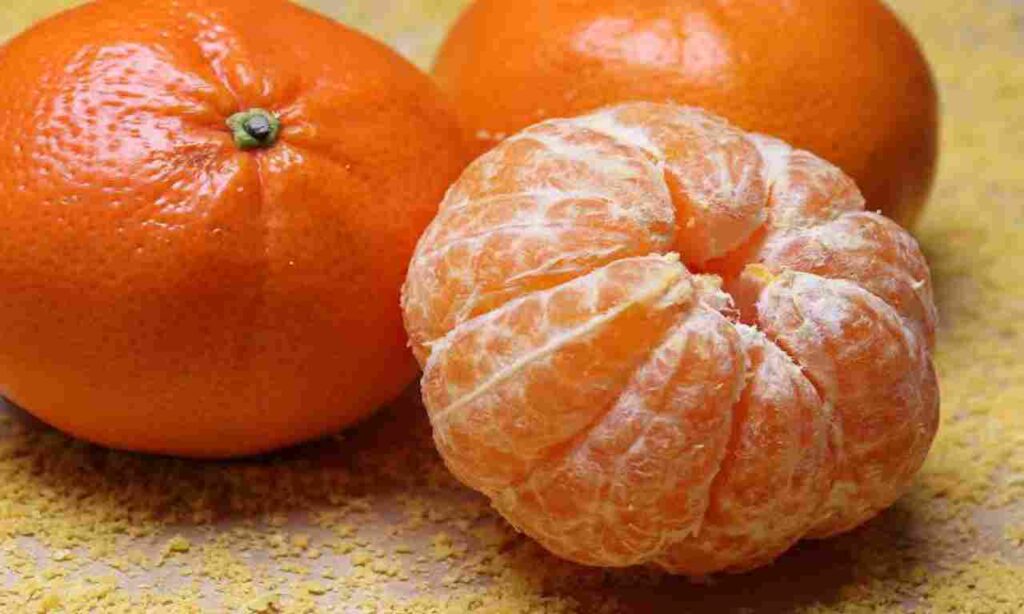
- Orange:- Oranges are rich in Vitamin C. They enhance the body’s absorption of iron. And help maintain the health of the skin and the immune system.
- Pomegranate:- Pomegranates contain significant amounts of iron and antioxidants. Consuming them helps combat iron deficiency (anemia) and supports the baby’s growth.
- Grapes:- Grapes contain Vitamins A and C, along with several other essential nutrients. They provide energy to the body and help reduce the fatigue often experienced during pregnancy.
- Mango:- Mangoes are abundant in Vitamins A and C. They are considered beneficial for fetal development and help boost the body’s immunity.
- Guava:- Guava is a good source of fiber and Vitamin C. It helps regulate digestion and alleviate issues related to constipation.
Unsafe fruits for pregnant women
During pregnancy, women must pay special attention to their diet. There are certain fruits whose excessive consumption can be harmful to both the expectant mother and the baby. Therefore, doctors often advise consuming certain fruits in limited quantities or avoiding them entirely. Listed below is information regarding fruits that avoided or consume with caution during pregnancy:
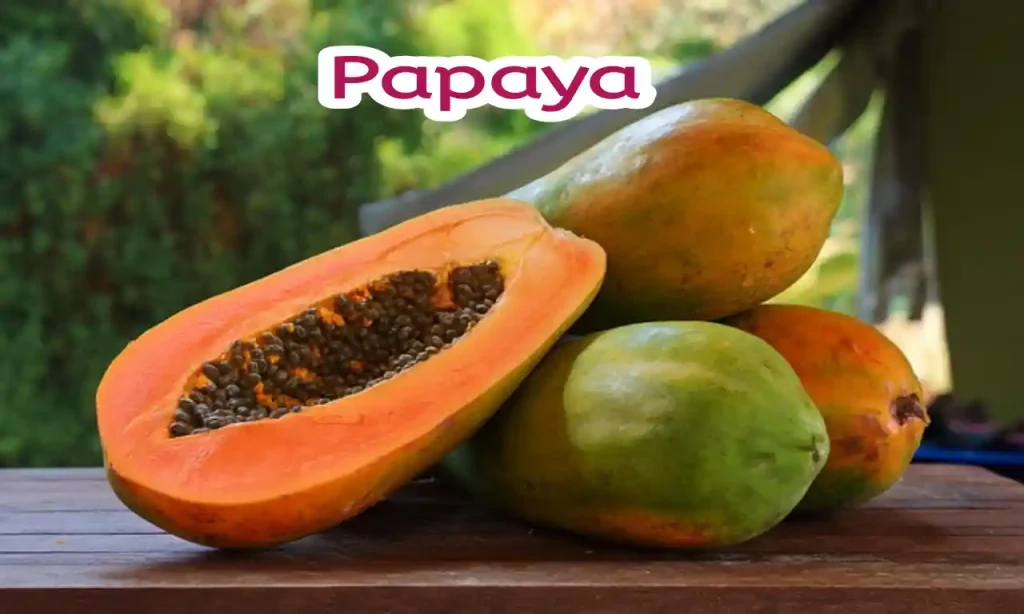
- Raw papaya:- Raw papaya contains a substance called latex, which can trigger uterine contractions. This may increase the risk of miscarriage or premature delivery. Therefore, one should refrain from eating raw papaya during pregnancy.
- Pineapple:- Pineapple contains an enzyme called bromelain, which can affect the uterine muscles. Consuming it in large quantities may heighten risks during the early months of pregnancy. Therefore, it should be consumed only in limited amounts.
- Excessive grapes:- Grapes are nutritious; however, consuming them in excess during pregnancy can increase body heat. For some individuals, this may also lead to digestive issues or gas-related discomfort. Therefore, consuming them in a balanced quantity is essential.
- Raw or unripe fruits:- Any type of unripe or improperly washed fruit can be a source of infection. Since the immune system is slightly weakened during pregnancy, such fruits should be avoided.
- Fruits high in sugar:- Consuming excessively sweet fruits, such as large quantities of mangoes or sapodillas (chikoo). They can cause a spike in blood sugar levels. Given the risk of gestational diabetes, it is considered advisable to consume such fruits in limited quantities.
Grapes chutney recipe
Here is an easy and delicious recipe made with grapes. Let’s know how to make grapes chutney.
Ingredients:-
- 1 cup fresh grapes (green or black)
- 2 teaspoons sugar
- 1 teaspoon lemon juice
- 1/2 teaspoon black salt
- 1/2 teaspoon roasted cumin powder
- 1-2 green chilies
- Small piece of ginger.
Preparation method:- First, wash the grapes thoroughly. Now, place the grapes, green chilies, and ginger into a blender and grind them into a paste. Transfer this mixture into a bowl and mix in the sugar, lemon juice, black salt, and roasted cumin powder. After mixing well, let it rest for 5–10 minutes to allow the flavors to blend together perfectly.
Unknown and rare information about grapes
- Grapes are one of the world’s oldest fruits, having been utilized for approximately 6,000 to 8,000 years. In ancient Egypt, grapes were considered a royal fruit and were even depicted in wall paintings.
- There are over 8,000 known varieties of grapes, appearing in shades of green, red, black, and purple. Some specific varieties are seedless, known simply as “seedless grapes.”
- Grapes consist of 70–80% water, which helps keep the body hydrated.
- A rare fact is that grapes contain an antioxidant called “resveratrol,” which is believed to aid in maintaining heart health and slowing down the aging process. This is the reason why red wine, when consumed in moderation, is often cited as being beneficial for health.
- Grapevines can live for many years, with some vines continuing to bear fruit for over a century.
- In certain parts of the world, grapes are dried to produce raisins, which are even more nutritionally dense.
- Another unique feature is that grapes naturally grow in clusters, or bunches, and a single bunch can contain anywhere from 15 to 300 individual grapes.
- Scientists have even conducted experiments demonstrating that heating grapes in a microwave can generate a plasma-like glow, making this fruit all the more fascinating.
Side effects of grapes
Grapes are a delicious and nutritious fruit, however, consuming them in excessive quantities can lead to certain side effects. They are rich in natural sugars and fiber. If consumed beyond what is necessary, can trigger issues such as abdominal gas, indigestion, diarrhea, or a sensation of heaviness in the stomach. Individuals with a weak digestive system should consume grapes in limited quantities only. The natural sweetness present in grapes can elevate blood sugar levels. Therefore, diabetic patients should caution when consuming them. Furthermore, eating too many grapes can result in an accumulation of excess calories in the body.
Thereby increasing the risk of weight gain. Some individuals may also be allergic to grapes, manifesting symptoms such as itching, swelling, or skin rashes. Grapes contain potassium, which, when consumed in large amounts, can be harmful to individuals suffering from kidney-related ailments. Additionally, giving whole grapes to young children poses a choking hazard; therefore, they should always be cut into pieces before being served. Thus, grapes should always be consumed in moderation to reap their benefits while avoiding potential adverse effects.