

- Gokshura benefits for men to increase energy and stamina - July 20, 2026
- Flax seed benefits for hair uses and hair mask - July 9, 2026
- Black plum scientific name benefits and uses - June 19, 2026
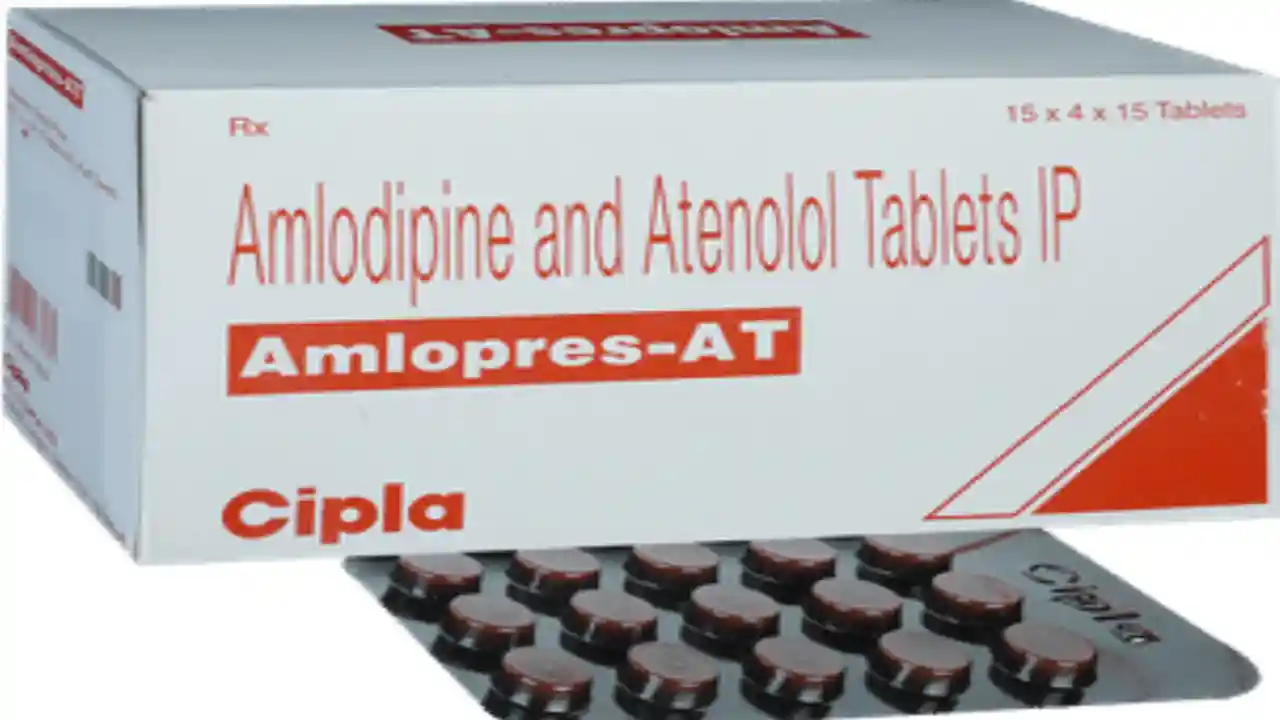
The combination of Amlodipine and atenolol tablet uses is basically used to control high blood pressure. Amlodipine is a calcium channel blocker that relaxes blood vessels and allowing blood to flow more easily, and reducing blood pressure. Atenolol is a beta blocker that slows the heart rate and reduces the strain on the heart. This medication is also used to treat angina (chest pain) as it improves the supply of oxygen to the heart.
Regular consumption can help reduce the risk of heart attack and stroke. In some cases, it helps control rapid heartbeat, palpitations, and other cardiac disorder. This tablet should only be taken as prescribed by a doctor. Because incorrect dosage can lead to problems such as dizziness, fatigue, or low blood pressure. It is most effective when combined with regular check-ups and a healthy lifestyle.
Related:- Is green chilli good for health
Pharmacology
Pharmacology of amlodipine:- Amlodipine is a calcium channel blocker medication. It prevents the entry of calcium ions into the walls of blood vessels, causing the blood vessels to dilate. This dilation makes blood flow easier and lowers blood pressure. This reduces the strain on the heart and improves oxygen supply. The effect of Amlodipine is gradual but long-lasting.
Work of amlodipine:- useful in controlling high blood pressure, in preventing angina (chest pain), in improving heart function.
Pharmacology of atenolol:- Atenolol is a beta-blocker medication. It blocks beta-1 receptors in the heart, slowing the heart rate and reducing the force of contraction. As a result, the heart has to work less and blood pressure decreases. Atenolol also reduces the effects of stress hormones (such as adrenaline).
Work of atenolol:- In treating high blood pressure, in controlling rapid heartbeat (tachycardia), in protecting the heart after a heart attack. And in reducing anxiety-related palpitations.
Benefits of combination:- Amlodipine dilates blood vessels, while Atenolol controls heart rate and pressure. Together, they maintain balanced blood pressure and prevent excessive strain on the heart.
Composition:- Amlodipine 5mg + Atenolol 50mg.
Amlodipine and atenolol tablet uses
The combination tablet of amlodipine and atenolol is primarily used for heart and blood pressure related issues. Let’s know amlodipine and atenolol tablet uses. Which is listed below.
- Control high blood pressure
- Relief from chest pain (angina)
- Normalize rapid heartbeat
- Reduce the risk of heart attack
- Reduce strain on the heart
- Improve blood flow by relaxing blood vessels
- Control blood pressure elevated due to stress or anxiety
- Improve heart function
- Maintain long-term blood pressure control
- Useful in preventing cardiovascular complications
10 Benefits of amlodipine and atenolol tablet
Now we know about 10 benefits of amlodipine and atenolol tablet uses. Which is described with headings.
Beneficial in controlling high blood pressure
The combination of Amlodipine and Atenolol is considered effective in maintaining balanced blood pressure. Amlodipine widens blood vessels, making blood flow easier, while Atenolol regulates the heart rate. Together, they reduce the pressure on the blood vessels. Regular use can reduce the risk of stroke, heart attack, and kidney-related complications.
Helps in stabilizing heart rate
Amlodipine and atenolol tablet uses helps control rapid or irregular heartbeats. As a beta-blocker, Atenolol reduces the extra stress on the heart. This allows the heart to relax and improves its pumping capacity. This benefit is especially useful for people who experience anxiety, restlessness, or rapid heartbeat.
Relief from angina (chest pain)
Amlodipine and Atenolol tablets uses are also beneficial in treating angina, or chest pain. Amlodipine increases the supply of blood and oxygen to the heart. While Atenolol reduces the heart’s oxygen demand. This combined effect can reduce the frequency of chest tightness, heaviness, and pain. This tablet making daily activities easier.
Reduce the risk of heart attack
High blood pressure and constant pressure on the heart can be a major cause of heart attack. This combination tablet keeps both blood pressure and heart rate balanced. This prevents extra pressure on the heart muscles. Long-term use under a doctor’s supervision can help reduce the risk of serious heart-related problems.
Reduce stress and anxiety
Sometimes, mental stress and anxiety can increase blood pressure and heart rate. Atenolol reduces the effect of hormones released during stress, keeping the heart rate normal. Amlodipine improves blood flow. Therefore, this medication can help control stress-induced cardiovascular symptoms.
Improve blood circulation
Amlodipine relaxes blood vessels, allowing blood to flow more easily to various parts of the body. Improved blood circulation can lead to improvements in symptoms such as fatigue, dizziness, and weakness. Atenolol maintains balanced heart function, ensuring a smoother flow of oxygenated blood throughout the body.
Reduces the workload on the heart
This tablet prevents the heart from working too hard. Atenolol reduces the burden on the heart by controlling heart rate and blood pressure. Amlodipine reduces the resistance in the blood vessels. The combined effect of both gives the heart a rest, allowing it to function healthily for a longer period.
Useful for blood pressure control in the elderly
Elderly people are at a higher risk of high blood pressure and heart disease. The combination of Amlodipine and Atenolol is often found to be effective in this age group. This medication controls blood pressure gradually and steadily. And reducing the likelihood of sudden drops or spikes in blood pressure and maintaining stability in daily activities.
Prevent complications of heart disease
Controlled blood pressure and a balanced heart rate play a crucial role in reducing complications of heart disease. This tablet has a positive effect on the heart’s nerves and muscles. When used regularly and in the correct dosage, it can slow the progression of chronic heart problems. And improve the quality of life.
Helps maintain long term heart health
The main objective of Amlodipine and Atenolol tablets uses is to keep the heart and blood pressure in balance. Taking it for a long period as advised by a doctor helps maintain heart function. This medication, combined with lifestyle improvements, a proper diet, and exercise. It can help keep the heart healthy and prevent future cardiovascular problems.
Amlodipine and atenolol tablet doses
Amlodipine dosage:- Amlodipine is generally prescribed for high blood pressure and heart-related problems. Treatment usually starts with a low dose to allow the body to adjust. The typical dose is 2.5 mg or 5 mg once daily. If needed, the dose can be increased to 10 mg under a doctor’s supervision. It is best to take this medication at the same time every day.
Atenolol dosage:- Atenolol is used to control heart rate and lower blood pressure. The usual starting dose is 25 mg or 50 mg daily. In some patients, the doctor may prescribe a dose up to 100 mg depending on the condition. It can be taken with or without food, but consistency is important.
Important advice:- The correct dosage of both medications depends on age, the severity of the condition, and the patient’s overall health. It is not safe to change the dosage or stop taking the medication without consulting a doctor.
How to consume Amlodipine and atenolol tablet
Both amlodipine and atenolol are commonly prescribed medications for high blood pressure and heart-related problems. Knowing the correct way to take them is crucial.
Take only as directed by your doctor:- Always consult your doctor before starting, stopping, or changing the dosage of these tablets. Self-medication is not safe.
Timing is important:- In most cases, this tablet is taken once a day. Many doctors recommend taking it at the same time every morning to maintain a consistent effect.
With or without food:- Amlodipine and Atenolol can be taken with or without food. It’s best to take it the same way every day.
Swallow with water:- Swallow the tablet with a glass of water. Do not break, chew, or crush it unless your doctor instructs you to do so.
Maintain a regular schedule:- Taking the medication at the same time every day helps control blood pressure and reduces the chances of forgetting a dose.
If you miss a dose:- If you miss a dose and it’s not close to the time for your next dose, take it as soon as you remember. If it’s almost time for your next dose, do not double the dose.
Do not stop abruptly:- Suddenly stopping Atenolol can affect your heart rate and blood pressure. If you need to stop the medication, consult your doctor for a gradual tapering plan.
Storage instructions
Proper storage of amlodipine and atenolol tablets uses is crucial. Because improper storage can reduce their effectiveness. These tablets should always be stored in a clean, dry, and cool place. And away from moisture and humidity. Extreme heat, freezing temperatures, or direct sunlight can damage the medication’s composition. So room temperature is considered ideal. The medication should be kept in its original strip or container to protect it from air and moisture.
Storing the tablets in a locked cupboard, out of the reach of children, is recommended for safety. Always check the expiry date before use, and never consume expired or damaged medication. Proper storage ensures the quality and effectiveness of the medication for a longer period.
Interaction with other drugs
Other blood pressure lowering medications:- When Amlodipine and Atenolol are taken with ACE inhibitors, ARBs, or other antihypertensive medications, blood pressure may drop too low. This can cause dizziness, weakness, or fainting.
Calcium channel blockers:- Taking Atenolol with medications like Verapamil or Diltiazem can cause a very slow heart rate. This can lead to heart block or excessive fatigue.
Heart rhythm controlling medications:- When used with medications like Amiodarone or Digoxin, the heart rate may become abnormally slow, causing shortness of breath or chest tightness.
Pain killers:- Painkillers like Ibuprofen or Diclofenac can reduce the effectiveness of Amlodipine and Atenolol, leading to inadequate blood pressure control.
Diabetes medications:- When taken atenolol with insulin or other anti-diabetic medications. This can mask the symptoms of low blood sugar (such as sweating, nervousness), delaying its detection.
Asthma and respiratory medications:- Taking Atenolol with bronchodilator medications like Salbutamol can worsen respiratory problems, especially in asthma patients.
Antidepressants and psychiatric medications:- Some antidepressant medications can increase or decrease the effects of these tablets. And leading to imbalances in blood pressure or heart rate.
Antifungal and antibiotic medications:- Medications like Ketoconazole or Erythromycin can increase the levels of Amlodipine in the body. This potentially causing swelling in the legs or headaches.
Interaction with alcohol:- When taken with alcohol, the effects of these medications can be intensified. And leading to excessive drowsiness, dizziness, and a drop in blood pressure.
Drug warning
Risk of very low blood pressure:- Taking both medications together can cause dizziness, weakness, and blurred vision, especially at the beginning of treatment.
Possibility of slow heart rate:- Atenolol slows the heart rate, which may cause excessive drowsiness or fatigue in some people.
Special caution in heart patients:- Patients with heart failure, heart block, or irregular heartbeat. Always only take this combination under medical supervision.
Warning for diabetic patients:- Atenolol can mask the symptoms of hypoglycemia (low blood sugar), delaying its detection.
Risk for people with respiratory problems:- Atenolol can worsen breathing difficulties in patients with asthma or chronic bronchitis.
Caution during pregnancy:- These medications should only be used in pregnant women with the explicit advice of a doctor.
Avoid alcohol:- Combining these medications with alcohol increases the risk of severe dizziness, drowsiness, and a drop in blood pressure.
Avoid driving:- Do not drive if you experience dizziness or drowsiness after taking the medication.
Amlodipine and atenolol tablet substitute
🔹 Alternative to Amlodipine:-
- Cilnidipine _ Helps lower blood pressure by relaxing blood vessels.
- Felodipine – Useful in controlling high blood pressure.
- Nifedipine – Calcium channel blocker, improves blood flow.
- Lercanidipine – Long-acting medication.
- Benidipine – Gentle effect on the heart and kidneys
🔹 Alternative to atenolol:-
- Metoprolol – Controls heart rate and blood pressure.
- Bisoprolol – Improves heart function.
- Nebivolol – New generation beta-blocker, fewer side effects.
- Propranolol – Beneficial for palpitations and anxiety.
- Carvedilol – Useful for blood pressure and heart failure.
Side effects of amlodipine and atenolol tablet
- Headache or lightheadedness
- Swelling in the feet, ankles, or hands
- Feeling of warmth or redness in the face
- Dizziness or unsteadiness
- Fast or irregular heartbeat
- Excessive tiredness or weakness
- Nausea, stomach discomfort
- Increased sleepiness
- Swollen or enlarged gums
- Mild difficulty breathing (rare)
- Slow heart rate
- Very low blood pressure
- Cold hands and feet
- Tiredness, lethargy, or lack of energy
- Dizziness or feeling faint
- Shortness of breath (especially in people with asthma)
- Insomnia or unusual dreams
- Digestive problems, constipation
- Mood changes or depression
- Decreased sexual ability (in some people)