

- Gokshura benefits for men to increase energy and stamina - July 20, 2026
- Flax seed benefits for hair uses and hair mask - July 9, 2026
- Black plum scientific name benefits and uses - June 19, 2026
Everyone desires healthy, thick, and shiny hair. However, today’s fast-paced lifestyle, unbalanced diet, stress, pollution, and the excessive use of chemical products. They weaken the hair. In such a scenario, consuming natural foods and using them correctly can play a vital role in improving hair health. Among these natural options, flax seed benefits for hair is a highly nutritious seed that has long been used for both health and beauty purposes.
The omega-3 fatty acids, protein, fiber, vitamins (E and B-complex), magnesium, zinc, selenium, and antioxidants found in flaxseeds. These nutrients nourish the hair roots. Regular consumption of flaxseeds, as well as the use of flaxseed gel or hair masks, can lead to noticeable improvements in hair quality. In this article, we will explore in detail why flaxseeds are considered beneficial for hair. And the nutrients they contain, and how they can help address various hair-related issues.
Related:- Black plum scientific name
What is flax seed
Flaxseed is a small, flat, and shiny seed that is golden or brown in color. Its scientific name is Linum usitatissimum. This plant has been a part of human diet and traditional medicine for thousands of years. Flax seed benefits for hair are used in various forms, such as.
- Whole seed
- Ground flaxseed
- Flaxseed oil
- Flaxseed gel
- Mixed into smoothies or porridge
- Sprinkled over salads
- Both the consumption and external application of flaxseeds are considered beneficial for hair.
key nutrients found in flax seed
Several nutrients present in flax seeds they contribute significantly to hair health.
- Omega-3 fatty acids:- These are known to nourish the scalp and strengthen hair roots.
- Protein:- Hair is primarily composed of a protein called keratin. Adequate protein is essential for healthy hair growth.
- Vitamin E:- It is a powerful antioxidant that helps protect hair from oxidative stress.
- Zinc:- Zinc is a crucial mineral for normal hair growth and scalp health.
- Selenium:- It contributes to cell protection and hair health.
- Magnesium:- It is considered beneficial for the normal functioning of hair roots.
- Lignans:- Lignans found in flax seeds are natural antioxidants that help protect cells from damage caused by free radicals.
Flax seed benefits for hair
- Nourishes hair roots:- Healthy hair begins with strong roots. The essential fatty acids and minerals found in flax seed for hair benefits help nourish the hair roots.
When roots receive adequate nourishment, hair can appear healthier. - Helps enhance natural hair shine:- Dry and lifeless hair can often be a sign of nutritional deficiency. The healthy fats and Vitamin E in flax seeds are known to help impart a natural shine to the hair.
- Helps keep the scalp hydrated:- A dry scalp can lead to itching, dandruff, and discomfort. Applying (flax seed for hair benefits) gel to the scalp can help retain moisture.
- Helps reduce hair breakage:-Weak hair is prone to breaking easily. The nutrients in flax seeds contribute to maintaining hair strength, potentially reducing the likelihood of breakage.
- Helps reduce split ends:- Without proper care, hair ends can begin to split. Flax seed gel can help soften the hair and retain moisture.
- Softens the hair:- Regular use of flaxseed can make hair feel smoother and easier to manage.
- Beneficial for curly hair:- Naturally curly hair requires extra moisture. Flaxseed gel is considered a popular natural option for defining curls and reducing frizz.
- Helps retain natural hair moisture:- Excessive use of dryers, straighteners, or exposure to sunlight can dry out the hair. The natural oils derived from flaxseeds can help maintain the hair’s moisture.
- Helps soothe the scalp:- If the scalp feels slightly irritated or dry, flax seed gel can provide a cooling sensation.
- Provides nourishment for healthy hair growth:- The protein, omega-3 fatty acids, and micronutrients found in flaxseeds contribute to providing the essential nutrients needed for normal hair growth.
- Helps prevent hair tangling:-Flax seed gel acts as a natural conditioner, making it easier to detangle hair.
- A natural alternative to chemical products:- Many people prefer using natural flaxseed gel over commercial hair gels or serums. It helps style the hair without the use of harsh chemicals.
- Helps maintain hair elasticity:- Hair that is elastic is less prone to breakage. Flaxseed can help maintain the hair’s natural elasticity.
- Protection against environmental damage:- Dust, sunlight, and pollution can damage hair. The antioxidants present in flax seeds help protect hair cells.
- Nourishes without weighing hair down:- Flaxseed gel is lightweight and leaves minimal sticky residue on the hair.
- Helps reduce frizz:- Hair tends to become frizzier during the monsoon season or in humid weather. Flaxseed gel can help keep hair manageable and frizz-free.
- Improves hair texture:- With regular use, flaxseed can contribute to making hair look healthier and more attractive.
- Provides a natural hold: If you want to maintain a hairstyle, flax seed gel offers a light, natural hold.
Does simply eating flax seeds make hair grow longer?
It is a common belief, but merely consuming flax seeds does not cause hair to suddenly grow longer.
Hair growth depends on several factors, such as genetics, a balanced diet, hormones, stress levels, adequate sleep, scalp care and overall health.
Flax seed benefits for hair can help improve the nutritional aspect of this, but they are not a magic remedy.
Who should use flax seeds for their hair?
Flax seed benefits for hair can be particularly beneficial for those people.
- Are troubled by dry hair.
- Want to adopt a natural hair care routine.
- Wish to boost hair shine.
- Want to reduce frizz.
- Want to nourish their scalp.
- Wish to care for their hair through a healthy diet.
How to use flax seeds for hair?
Flax seeds can be used in two main ways.
- As a dietary supplement (consumed)
- Topically (applied externally on the hair)
Combining both methods can nourish the hair from both the inside and the outside.
How to make flax seed gel?
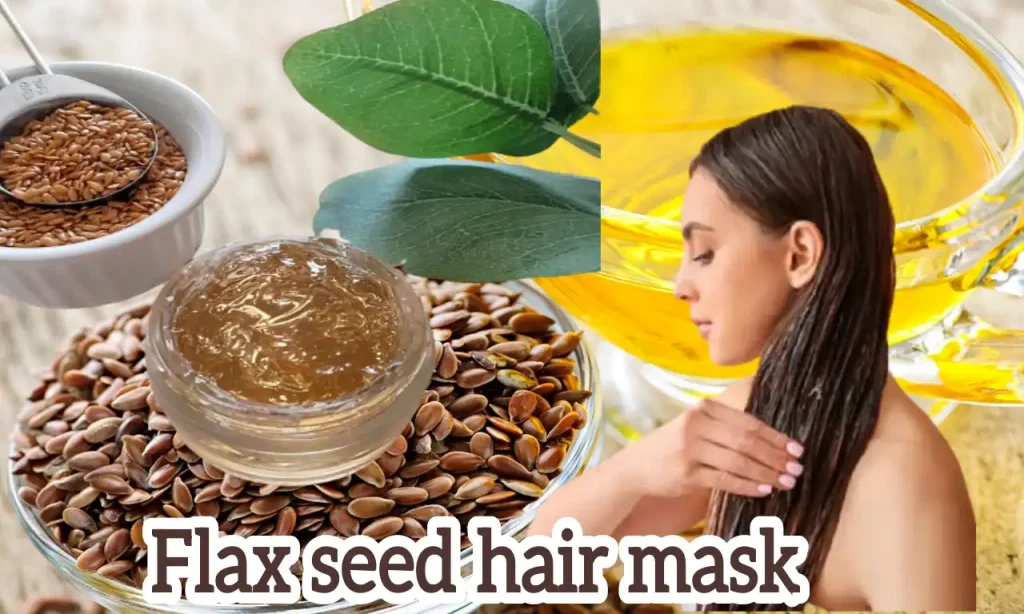
Flax seed gel is quite popular as a natural hair gel. It is known to provide a light hold while helping to retain moisture in the hair.
Required ingredients:-
- 1/4 cup flaxseeds
- 2 cups water
- Fine sieve or cotton cloth
- Clean glass jar
Preparation method:- Add water and flaxseeds to a pot. Then boil over medium heat. Stir continuously as the mixture begins to thicken. Turn off the heat once a gel-like consistency forms.
Strain immediately while it is still slightly warm. Once completely cooled, transfer to a clean jar and store in the refrigerator. This gel can generally be used for about a week.
How to apply flax seed gel
- Dampen your hair slightly.
- Take a small amount of gel in your palm.
- Apply evenly from roots to tips.
- Massage gently.
- You can wash it off after 30–60 minutes or leave it in for light styling.
Flax seed and aloe vera hair mask
Both aloe vera and flaxseeds are known to help retain hair moisture.
Ingredients:-
- 3 tablespoons flaxseed gel
- 2 tablespoons aloe vera gel
Usage:- Mix both ingredients well and apply to the entire hair. Wash off with a mild shampoo after about 40 minutes.
Flax seed and yogurt hair mask
Yogurt helps soften the hair.
Ingredients:-
- 3 tablespoons flaxseed gel
- 2 tablespoons fresh yogurt
Usage:- Apply this mixture to the scalp and hair, and leave it on for about 30–40 minutes. Rinse off with plain water afterwards.
Flax seed and coconut oil
This mixture can be beneficial if the hair is extremely dry.
Ingredients:-
- 2 spoons flaxseed gel
- 1 spoon coconut oil
Usage:- Mix both ingredients, apply to the hair, and shampoo after about an hour.
Fla xseed and honey
Honey is considered a natural humectant that helps retain moisture.
Ingredients:-
- Flaxseed gel
- 1 spoon honey
Usage:- Mix the two and leave the mixture on your hair for 30 minutes.
Flax seed oil for hair
Flaxseed oil is also used in hair care.
How to use:-
Warm the oil slightly and apply it to the scalp using your fingers. Massage for 5–10 minutes. Then wash your hair after about 1–2 hours.
How to consume flax seed for hair health?
Consuming flax seed can also be important for internal nourishment.
Here is many ways to consume it.
- Roasted
- Ground
- In smoothies
- In porridge
- In yogurt
- In salads
- With oats
- Mixed into multigrain flour
How much should be consumed daily?
Generally, 1–2 tablespoons of ground flax seed is considered sufficient for healthy adults. The quantity may vary based on individual needs, health conditions, or medications. Therefore consult a doctor or dietitian if you have any medical issues.
Why is adequate water intake important when consuming flax seed?
Flax seed benefits for hair is high in fiber. Drinking enough water improve digestion and can reduce the likelihood of issues like constipation.
Who should use with caution
It is advisable to seek medical advice before consuming or using flaxseed in the following situations.
- Pregnancy or breastfeeding
- Taking blood-thinning medications
- Certain hormone-related medical conditions
- Severe digestive issues
- A history of allergy to any type of seed
Is flax seed suitable for all hair types?
If using it for the first time, it is best to perform a patch test on a small area of skin. It can be used by most people, including those with.
- Dry hair
- Curly hair
- Wavy hair
- Straight hair
- Normal hair
Additional tips for healthy hair
- Eat a balanced and nutritious diet.
- Drink plenty of water.
- Get adequate sleep daily.
- Try to avoid excessive stress.
- Do not wash your hair with very hot water.
- Limit the use of heat-styling tools.
- Cleanse your hair regularly.
- Use a mild shampoo and a suitable conditioner.
- Do not rub wet hair vigorously.
- Get your hair trimmed periodically.
When should you see a doctor?
Consult a dermatologist if the following issues persist.
- Sudden, excessive hair loss
- Hair loss in circular patches
- Severe itching or pain in the scalp
- Persistent dandruff or infection
- Rapid thinning of hair
Important diet for hair health
Importance of a balanced diet for hair along with flax seeds. It is essential to include the following nutrients in your diet.
- Protein
- Iron
- Zinc
- Vitamin C
- Vitamin D
- Vitamin E
- Biotin
- Omega-3 fatty acids
How to store flax seed
Proper handling and storage of flax seeds are crucial because the natural oils they contain can go rancid over time. Correct storage preserves their flavor, nutritional value, and quality for an extended period. The right way to store flax seed for hair benefits listed below.
- Use an airtight container:- Always store flaxseeds in an airtight glass or food-grade plastic container. This prevents moisture and air from entering, and keeping the seeds safe for a long time.
- Choose a cool, dry place:- Store flax seeds in a location away from direct sunlight, excessive heat, and moisture. A kitchen cupboard or pantry is an ideal spot.
- Whole flaxseeds last longer:- If possible, buy whole flaxseeds. Grind them only when needed, as ground flaxseeds can oxidize and spoil quickly.
- Store ground flaxseeds in the refrigerator:- If you have ground the flax seeds, store the powder in an airtight container inside the refrigerator. This helps preserve its freshness and nutrients for a longer period.
- Use the freezer for long-term storage:- If you use flaxseeds infrequently, you can pack them in small portions and store them in the freezer. This allows them to remain in good condition for several months.
- Protect from moisture:- Always use a clean, dry spoon when scooping out flax seeds. A wet spoon or exposure to moisture can spoil the seeds.
Side effects of flax seed
Flaxseed is a nutrient-rich food, but its excessive or improper consumption can lead to health issues for some people. The high levels of fiber, omega-3 fatty acids, and natural lignans it contains can have adverse effects on the body under certain circumstances. Consuming large amounts of flaxseed can cause digestive problems such as gas, bloating, stomach pain, constipation, or diarrhea, especially if not accompanied by adequate water intake. Some individuals may also experience an allergic reaction to flaxseed, manifesting as symptoms like itching, red rashes, swelling, or difficulty breathing.
Additionally, flaxseed can have a mild blood-thinning effect; therefore, those taking blood-thinning medications or scheduled for surgery should consume it only after consulting a doctor.
Flaxseed can also affect blood pressure and blood sugar levels. For individuals taking medication for high blood pressure or diabetes, consuming large amounts of flaxseed might intensify the effects of the medication. Furthermore, due to its high fiber content, it can interfere with the absorption of certain drugs.
Conclusion
Flax seed benefits for hair is a highly nutritious seed, rich in omega-3 fatty acids, protein, fiber, vitamin E, zinc, and other essential nutrients. Its regular and balanced consumption can be part of a healthy lifestyle. Additionally, flaxseed gel and its oil can help moisturize and soften hair while maintaining its natural shine. However, it is important to understand that flaxseed is not a miracle cure.
A balanced diet, adequate hydration, good sleep, stress management, and a proper hair care routine are equally essential for healthy hair. If hair loss becomes severe or persists over a long period, consulting a qualified professional is the safest and most effective course of action rather than attempting self-treatment.