

- Gokshura benefits for men to increase energy and stamina - July 20, 2026
- Flax seed benefits for hair uses and hair mask - July 9, 2026
- Black plum scientific name benefits and uses - June 19, 2026
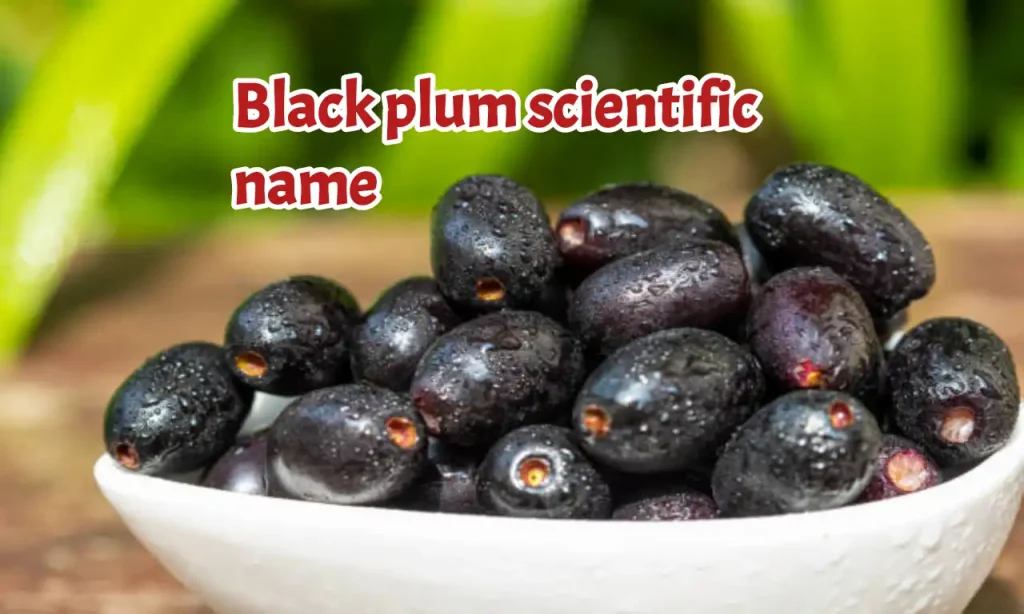
Jamun is a popular medicinal fruit found in India. Black plum scientific name is syzygium cumini. It has a sweet, astringent, and slightly sour taste. Available in markets during the summer and monsoon seasons. This fruit offers numerous health benefits alongside its delicious flavor. Ayurveda places special importance on Jamun.
Because its fruit, seeds, leaves, and bark are all used to treat various health issues. In English, Jamun is known as Black Plum, Java Plum, or Indian Blackberry. The fruit is renowned for its deep purple or black color and its nutritional properties.
Related:- Benefits of ridge gourd
Black plum scientific name?
The scientific name of black plum (Jamun) is Syzygium cumini. This plant belongs to the Myrtaceae family. Scientific classification facilitates the identification and study of plants.
Scientific classification
Kingdom: Plantae
Division: Magnoliophyta
Class: Magnoliopsida
Order: Myrtales
Family: Myrtaceae
Genus: Syzygium
Species: Syzygium cumini
Other name of black plum
Black plum scientific name is known by various names across different regions of India.
- Hindi: Jamun
- Sanskrit: Jambu, Rajjambu
- English: Black Plum, Java Plum, Indian Blackberry
- Gujarati: Jambu
- Marathi: Jambhul
- Bengali: Kalojam
- Tamil: Naval Pazham
- Telugu: Neredu
- Kannada: Nerale
What does the black plum plant look like?
Black plum is an evergreen tree that can grow to a height of 15 to 30 meters. It has a sturdy trunk and dense branches. The leaves are glossy green, and the flowers appear small and white. The fruits are initially green, then turn pink, and finally become deep purple or black. Ripe Jamun fruits are juicy and delicious.
Origin of black plum
Black plum is believed to have originated in the Indian subcontinent. It has been cultivated in India, Nepal, Sri Lanka, and Southeast Asia since ancient times. Today, it is found in many tropical and subtropical regions of the world.
Black plum nutrients
Black plum scientific name or jamun contains numerous essential nutrients.
- Vitamin C
- Vitamin A
- Iron
- Calcium
- Potassium
- Magnesium
- Fiber
- Antioxidants
- Flavonoids
- Anthocyanins
- All these nutrients help maintain the body’s overall health.
Health benefits of black plum
Improve digestion:- Jamun contains a good amount of fiber. Which helps ensure a smooth digestive process. Consuming it can alleviate issues like constipation and indigestion.
Blood sugar controller:- Black plum seeds have traditionally been used for blood sugar management. However, medical advice is essential for any health condition.
Immunity booster:- The presence of Vitamin C and antioxidants can help boost the body’s immunity.
Improve heart health:- The potassium and antioxidants present in Jamun can support heart health.
Useful for the skin:- The antioxidants in Jamun help protect the skin from damage caused by free radicals.
Improve blood quality:- The presence of iron supports the production of red blood cells in the body.
Significance of black plum in ayurveda
Regarding In Ayurvedic, Jamun is considered a cooling, nutritious, and health-promoting fruit. Various parts of the fruit have been used in traditional healing practices.
Black plum seeds:- Jamun seeds are dried and ground into a powder. This holds special significance in traditional medicine.
Black plum leaves:- The leaves are used in various home remedies and traditional treatments.
Black plum bark:- The bark is also used in Ayurvedic preparations.
Black plum cultivation
Cultivating Jamun is considered relatively easy. It thrives in hot and humid climates.
Suitable soil:- Loam soil, sandy loam soil, well-drained land
Temperature:- Temperatures between 20°C and 35°C are considered suitable for its growth.
Irrigation:- Regular irrigation is necessary during the initial years, whereas mature trees can survive with less water.
Uses of black plum
Jamun is consumed in various forms.
- As fresh fruit
- Juice
- Sharbat (sweet cordial)
- Vinegar
- Jam
- Squash
- Candy
- Powder
Interesting facts about black plum
- Jamun is an ancient fruit of India.
- The tree can live for several decades.
- The dark color of the Jamun fruit is due to a natural pigment called anthocyanin.
- Its seeds, leaves, and bark are also considered useful.
- The Jamun tree contributes to environmental conservation.
- It serves as a food source for many birds and animals.
- Jamun wood is strong and durable.
- The fruit is most abundantly available during the monsoon season.
- Jamun holds religious and cultural significance.
- It is cultivated on a large scale across many states in India.
How to eat black plum
Jamun (Java plum) is a delicious and nutritious fruit that is widely enjoyed during the summer and monsoon seasons. It is rich in vitamins, minerals, antioxidants, and fiber. Consuming jamun correctly can further enhance its health benefits.
- Eat fresh black plum:- Black plum can be eaten directly after washing it thoroughly with clean water. Fresh, ripe jamun is not only delicious but also more nutritious.
- Consume in moderation on an empty stomach:- Eating too much jamun on an empty stomach in the morning may cause abdominal discomfort for some people. Therefore, consuming it in moderation is recommended.
- Add black salt:- Sprinkling a little black salt or rock salt on jamun enhances its flavor and aids digestion.
- Black plum juice:- You can extract and drink the juice of fresh jamun. It is better to use honey or a natural sweetener instead of sugar.
- Use in smoothies:- Jamun can be blended with yogurt, milk, or other fruits to create a healthy smoothie. It makes for a great nutritious breakfast option.
- Include in fruit salad:- Chopped jamun can be mixed with other fruits to prepare a fruit salad. This adds both variety and nutritional value to your meal.
- Consume jamun powder:- Powder made from dried jamun seeds can be consumed with water or lukewarm milk. It is traditionally used for various health purposes.
- Mind the portion size:- Generally, consuming 100–200 grams of jamun is considered sufficient for most healthy adults. Excessive consumption may lead to stomach-related issues.
Black plum benefits for diabetes
Jamun (black plum) is traditionally considered a beneficial fruit for people with diabetes. It has a low glycemic index and contains various nutrients that can help balance blood sugar levels. However, Jamun is not a substitute for any diabetes medication.
Helps control blood sugar
The natural compounds found in Jamun can help improve the body’s utilization of glucose. Thereby assisting in maintaining balanced blood sugar levels.
Low glycemic index fruit
Jamun has a low glycemic index, meaning it does not cause a rapid spike in blood sugar levels upon consumption. This is why it is considered a relatively better fruit choice for diabetics.
Rich in in fiber
Jamun contains a significant amount of dietary fiber. Fiber can slow down the rate at which sugar is absorbed from food, reducing the likelihood of sudden blood sugar spikes.
Supports insulin function
Some studies suggest that the bioactive compounds found in Jamun may contribute to improving insulin efficiency. Which can aid in glucose management.
Good source of antioxidants
Jamun is rich in anthocyanins and other antioxidants. These can help reduce oxidative stress in the body, a factor that plays a role in diabetes-related complications.
Beneficial for weight management
Jamun is relatively low in calories and can help one feel full for longer periods. Maintaining a healthy weight is considered crucial for diabetes control.
Improves digestive health
The fiber present in Jamun supports digestive function. A healthy digestive system is beneficial for the body’s overall metabolism and sugar balance.
Potential significance of Jamun seeds
Powder made from Jamun seeds has long been used in Ayurveda. According to traditional beliefs, it may help in managing diabetes. But it should be used only under a doctor’s advice.
Consumption related precautions
Jamun is a nutritious and delicious fruit, but it should be consumed with caution. It is essential to wash the fruit thoroughly before eating to remove any dust, soil, or other impurities. Excessive consumption can lead to issues such as stomach pain, gas, constipation, or indigestion in some people; therefore, it is best eaten in moderation. Individuals taking medication for diabetes should consume jamun in balanced amounts, as it can affect blood sugar levels.
Drinking milk immediately after eating jamun may cause digestive discomfort in some individuals. Those with an allergy to jamun should avoid consuming it. Pregnant women, breastfeeding mothers, and individuals suffering from serious health conditions. They hould consult a doctor before consuming large quantities of jamun regularly.
Side effects of black plum
Jamun is a nutritious and healthy fruit, but excessive consumption can cause adverse effects in some people. Eating large quantities may lead to issues such as gas, indigestion, stomach pain, or constipation. Some sensitive individuals may experience allergic reactions, including itching, skin rashes, or swelling. Since Jamun can help lower blood sugar levels, those taking medication for diabetes should consume it with caution. Excessive intake could cause blood sugar to drop too low.
Eating large amounts on an empty stomach may cause abdominal discomfort or acidity in some people.
Pregnant and breastfeeding women should consume Jamun in moderation. And it is advisable to consult a doctor if there are specific health conditions. To reap the benefits of Jamun, it is best to consume it in balanced amounts.
Conclusion
The scientific name of black plum is Syzygium cumini. It is an evergreen tree found in many tropical regions, including the Indian subcontinent. Jamun holds special significance due to its delicious fruit, medicinal properties, and nutritional value. Its fruit, seeds, leaves, and bark have long been used in traditional health practices.
Jamun contains numerous vital nutrients such as vitamins, minerals, fiber, and antioxidants. That can help support overall health. Its deep purple fruit is not only excellent in taste but is also considered valuable from a nutritional standpoint.