

- Gokshura benefits for men to increase energy and stamina - July 20, 2026
- Flax seed benefits for hair uses and hair mask - July 9, 2026
- Black plum scientific name benefits and uses - June 19, 2026
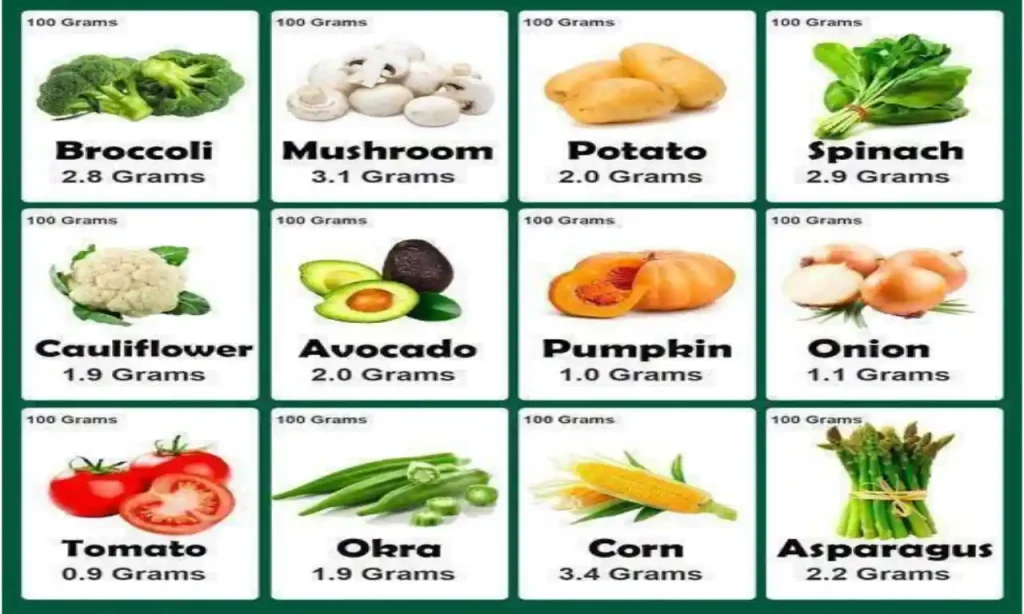
Vegetable protein rich food is a vital nutrient for the body. It is beneficial for muscle building, tissue repair, and energy booster. While people typically associate protein solely with lentils, eggs, or meat. Many vegetables are excellent sources of protein. Vegetables such as green peas, broccoli, spinach, cauliflower, and sweet potatoes contain substantial amounts of protein. In addition to protein, vegetables also provide fiber, vitamins, and minerals.
Which improve digestion and help maintain overall bodily health. For vegetarians in particular, vegetables play a crucial role in addressing protein deficiencies. Regular consumption of a diverse range of vegetables ensures balanced nutrition for the body. And strengthens the immune system. Therefore, incorporating protein rich vegetables into diet is considered highly essential.
Related:- Why avocado is so expensive
What vegetable protein
Vegetable protein (plant-based protein) is the type of protein found in food sources from plants. Such as lentils, beans, soybeans, nuts, seeds, and green vegetables. It plays a crucial role in the body’s growth, muscle building, and cellular repair. Vegetable protein is relatively easy to digest and is also rich in fiber, vitamins, and minerals. It is considered beneficial for improving heart health and helping to regulate cholesterol levels. For vegetarians, it serves as a primary and safe source of protein.
Vegetable protein with chart
| Vegetables | Protein Per 100gm. |
| Soybeans | 36 gm |
| Moong dal | 24 gm |
| Masoor dal | 25 gm |
| Chickpeas | 19 gm |
| Kabuli chana | 19 gm |
| Kidney beans (Rajma) | 24 gm |
| Black eyed peas (Lobia) | 24 gm |
| Urad dal | 25 gm |
| Chama dal | 22 gm |
| Arhar dal (Toor) | 22 gm |
| Green peas | 5 gm |
| Spinach | 3 gm |
| Broccoli | 3 gm |
| Corn | 3.5 gm |
| Mushrooms | 3 gm |
| Almonds | 21 gm |
| Peanuts | 26 gm |
| Caschew | 18 gm |
| Walnuts | 15 gm |
| Pistachios | 20 gm |
| Quinoa | 14 gm |
| Oats | 13 gm |
| Brown rice | 7 gm |
| Whole wheat | 13 gm |
| Chickpea sprouts | 9 gm |
Less known and rare information about vegetable protein rich food
- Most people are unaware that soybeans contain a protein content equivalent to that of meat.
- Quinoa is a plant based source that contains all the essential amino acids with protein.
- Broccoli offers a good protein content despite being low in calories.
- Spinach contains protein in addition to iron.
- Chickpeas and red lentils are protein sources that provide the body with a slow, sustained release of energy.
- Plant based protein is lighter on the digestive system, thereby placing less strain on the stomach.
- Protein derived from plants can help reduce the risk of heart disease.
- In addition to protein, beans also contain a high amount of fiber.
- Pumpkin seeds provide a good amount of zinc alongside protein.
- Sprouting mung beans enhances both their protein and nutritional value.
- Plant based proteins contain very low levels of saturated fat.
- Consuming a combination of proteins from different plant sources creates a complete protein.
- Tofu is a high-protein alternative made from soybeans.
- Plant based protein is considered beneficial for weight loss.
- It is a more environmentally sustainable option that requires fewer resources.
Let’s know which 25 vegetables is rich in protein
Vegetable protein is highly beneficial for the body. It helps strengthen muscles and provides energy. Plant-based protein is easily digestible, thereby maintaining a healthy digestive system. It also contains fiber, vitamins, and minerals, which enhance overall health. It helps reduce the risk of heart disease, obesity, and diabetes. Regular consumption keeps the body fit and active. Let’s know which vegetable is rich in protein.
1:- Soyabeans
Soybeans are considered the richest source of protein for vegetarians, containing all essential amino acids. They aid in strengthening muscles, promoting bone growth, and boosting the body’s energy levels. Regular consumption helps maintain hormonal balance and supports heart health, making it beneficial to include them in one’s diet.
2:- Moong dal (Green gram)
Moong dal is light, easily digestible, and packed with nutrients. It not only provides energy to the body but also helps strengthen muscles. The protein present in it assists in bodily repair and growth. It keeps the digestive system healthy and aids in weight management, making its daily inclusion in meals highly beneficial.
3:- Masoor dal (Red lentils)
In addition to being high in protein, Masoor dal is an excellent source of iron and fiber. It helps combat iron deficiency in the body and supports muscle development. Regular consumption improves digestion and provides sustained energy to the body. Thereby making it a vital component of a balanced diet. It is vegetable protein rich food.
4:- Desi chana (Brown chickpeas)
Desi chana is a nutritious and affordable source of protein that helps enhance physical strength and build muscle mass. It is rich in fiber, which promotes healthy digestion. It helps keep you feeling full for longer periods, thereby assisting in weight control. That is vegitable protein rich food.
5:- Kabuli chana (White chickpeas)
Kabuli chana is not only delicious but also abundant in protein and fiber. It helps improve heart health, strengthen the digestive system, and boost the body’s energy levels. It can be consumed in salads, curries, or chaat (savory snacks), thereby adding both variety and nutritional value to one’s diet.
6:- Rajma (Kidney beans)
Along with protein, Rajma is rich in iron and antioxidants. Which help provide energy to the body and improve blood circulation. It also aids in muscle development and contributes to bone strength. Regular consumption keeps the stomach feeling full for an extended period and helps curb hunger. Vegetable protein rich food.
7:- Black eyed peas (Lobia)
Black eyed peas are an excellent source of protein and fiber, which helps maintain a healthy digestive system. They aid in boosting the body’s energy levels and support muscle development. Consuming them helps regulate blood sugar levels and beneficial for heart health.
8:- Urad dal (Black gram)
Urad dal is rich in protein and minerals, which help strengthen bones and muscles. It provides energy to the body and improves digestion. It can be consumed in various forms such as dal,dosa, or idli. It offering both great taste and nutritional value.
9:- Chana dal (Split chickpeas)
Chana dal is packed with protein and fiber, providing the body with sustained energy over a long period. It enhances digestion and assists with weight management. Regular consumption boosts muscle strength and supplies the body with essential nutrients.
10:- Arhar dal (Toor dal / Pigeon peas)
Arhar dal is a staple of the daily diet, offering a balanced blend of protein and carbohydrates. It aids in energizing the body, strengthening muscles, and improving digestion. Its regular consumption is considered highly beneficial for overall health.
11:- Green peas
Green peas are light and packed with nutrients, containing vitamins and fiber alongside protein. They improve the digestive system and provide energy to the body. Incorporating them into vegetable dishes, pilafs, or salads is both easy and beneficial. It is also vegetable protein rich food.
12:- Spinach
In addition to protein, spinach is abundant in iron and vitamins, which help strengthen the body and combat iron deficiency. It strengthens bones and boosts the immune system, thereby protecting the body against diseases.
13:- Broccoli
Broccoli is a nutritious vegetable containing antioxidants and fiber alongside protein. It aids in detoxifying the body, improving digestion, and boosting immunity. Regular consumption helps keep the body healthy and active.
14:- Corn (Maize)
Besides being delicious, corn is an excellent source of protein and carbohydrates, providing the body with instant energy. It aids digestion and helps keep hunger at bay for extended periods. It can be consumed either boiled or roasted.
15:- Mushrooms
Mushrooms are a low-calorie, nutrient-dense food source that also contains protein. They help boost the body’s immunity and strengthen muscles. They can be incorporated into a wide variety of dishes.
16:- Almonds
Almonds are a rich source of protein, healthy fats, and vitamins, offering benefits for both the mind and the body. They strengthen muscles and boost energy levels. Consuming a moderate amount daily is beneficial for overall health. It is also vegetable protein rich food
17:- Peanuts
Peanuts are an affordable and easily accessible source of protein. That helps provide strength to the body and build muscle mass. They also contain healthy fats, which are beneficial for heart health. It can be consumed as a snack.
18:- Cashews
In addition to being delicious, cashews are rich in protein and minerals. Which help provide energy to the body and strengthen bones. Consuming them in moderation provides the body with nourishment and strength.
19:- Walnuts
Along with protein, walnuts contain Omega-3 fatty acids, which are beneficial for brain and heart health. They strengthen muscles and provide energy to the body. Regular consumption leads to improved overall health.
20:- Pistachios
Pistachios are a good source of protein and fiber, which helps improve digestion and provides energy to the body. They enhance heart health and also aid in weight management. They can be consumed as a snack.
21:- Quinoa
Quinoa is a superfood that contains all the essential amino acids. It assists in muscle growth, boosting energy levels, and improving digestion. It can be used as a substitute for rice.
22:- Oats
Oats are rich in protein and fiber, which helps keep the heart healthy and aids in weight management. They provide sustained energy and improve digestion, making them an excellent choice for breakfast.
23:- Brown rice
In addition to protein, brown rice contains fiber and minerals that improve digestion and provide energy to the body. It is more nutritious than white rice and can be an integral part of a balanced diet. It is also vegetable protein rich food
24:- Whole wheat
Whole wheat is packed with protein and fiber, which helps energize the body and improve digestion. It helps keep you feeling full for longer periods and is also beneficial for weight management.
25:- Chickpea sprouts
Due to the sprouting process, chickpea sprouts are highly nutritious and easily digestible. It ontaining a good amount of protein. They help boost the body’s energy levels, improve digestion, and strengthen muscles. Consuming them as part of a salad is highly beneficial.
12 Vegetable protein benefits
Vegetable protein is extremely beneficial for the body. It enhances muscle strength and helps maintain energy levels. Plant-based protein is easy to digest and improves heart health. It aids in weight management and provides the body with essential nutrients.
1:- Beneficial for muscle strength
Vegetable protein plays a crucial role in muscle building and repair. Sources such as lentils, soybeans, and chickpeas provide the body with essential amino acids. That reducing weakness and making the body more active and robust. Regular consumption also enhances physical endurance and leads to noticeable improvements in fitness levels.
2:- Improves heart health
Plant based proteins are low in saturated fats, which is beneficial for the heart. They help regulate cholesterol levels and maintain the health of blood vessels. Which reducing the risk of heart disease and optimizing blood circulation throughout the body.
3:- Beneficial for weight management
A diet rich in vegetable protein promotes a prolonged sense of fullness, curbing frequent hunger pangs and reducing habits of unnecessary snacking. This beneficial in maintaining a healthy weight and lowers the risk of obesity. And a vital component of a healthy lifestyle.
4:- Enhances digestive health
Sources such as lentils, beans, and whole grains contain fiber, which significantly improves digestion. This helps alleviate issues like constipation and maintains intestinal health. And ensuring efficient nutrient absorption within the body.
5:- Supports diabetes management
Vegetable protein helps stabilize blood sugar levels; because it digests slowly, it prevents sudden spikes in glucose. This proves particularly helpful for individuals with diabetes in keeping their blood sugar levels under control.
6:- Strengthens bones
Certain plant-based sources such as soy, sesame seeds, and green leafy vegetables provide both calcium and protein. Which are essential for bone strength. This helps maintain bone density and mitigates age-related bone weakness.
7:- Beneficial for skin and hair
Vegetables protein are beneficial in the formation and repair of skin cells, resulting in healthy and radiant skin. Furthermore, it strengthens hair strands, reducing hair loss and helping to maintain a natural, healthy shine.
8:- Immunity booster
Plant based protein strengthens the body’s immune system. It beneficial in the production of antibodies, thereby enabling the body to fight off various infections and diseases. Resulting in fewer instances of illness.
9:- Enhance energy level
Vegetable protein provides the body with a steady and sustained supply of energy. That reducing fatigue throughout the day and boosting work efficiency. It helps keep the body active and also enhances mental alertness.
10:- A safe option for kidneys
Compared to animal based protein, plant-based protein places less strain on the kidneys. Thereby helping to maintain optimal kidney function. This is particularly beneficial for individuals suffering from kidney-related issues.
11:- Beneficial for hormonal balance
Vegetable protein sources such as soy contain phytoestrogens, which assist in maintaining hormonal balance. This is especially beneficial for women and helps preserve the body’s natural equilibrium.
12:- Environment friendly
The production of vegetable protein requires fewer resources compared to animal-based protein. Resulting in a lower environmental impact. It conserves water and land resources while promoting sustainable development.
How much protein does a person need?
The amount of daily protein required by an average person depends on their age, weight, physical activity level, and health status. Generally, a healthy adult male requires approximately 0.8 grams of protein per kilogram of body weight. For instance, if an individual weighs 60 kilograms, they should consume approximately 48 grams of protein daily.
Individuals who exercise, go to the gym, or engage in strenuous physical labor. Them require between 1.2 and 2 grams of protein per kilogram of body weight. Protein plays a crucial role in strengthening the body’s muscles, repairing tissues, and providing energy.
Proteins are classified based on various criteria, such as their structure, function, and nutritional quality. The main types of proteins are listed below in simple and clear terms.
Protein classification
- Simple protein:- Simple Proteins are those composed solely of amino acids and yield only amino acids upon digestion.
- Conjugated protein:- Conjugated Proteins are proteins to which another non-protein component (such as a metal or a carbohydrate) is attached.
- Derived protein:- Derived Proteins are formed through the partial breakdown of original proteins. Typically occurring during processes such as digestion or food processing.
- Fibrous protein:- Fibrous Proteins possess long, thread-like structures and provide structural strength to the body; an example is collagen.
- Globular protein:- Globular Proteins are spherical in shape and function within the body as enzymes, hormones, and similar substances.
- Complete protein:- Complete Proteins contain all essential amino acids in sufficient quantities. Examples include milk and eggs.
- Incomplete protein:- Incomplete Proteins lack certain essential amino acids, most legumes fall into this category.
- Complementary protein:- Complementary Proteins consist of two or more incomplete proteins. That, when combined, collectively provide all the essential amino acids. For example, the combination of lentils and rice.
Final words
Vegetable protein is a healthy, natural, and nutrient-rich option. That plays a crucial role in bodily growth, muscle building, and maintaining energy levels. Not only is it easy on the digestive system. But it is also considered beneficial for heart health, weight management, and reducing the risk of chronic diseases. Sources such as lentils, grains, nuts, and seeds are readily available and can easily be incorporated into a balanced diet. When consumed in the right combinations, vegetable protein can provide all the essential amino acids. It is an excellent and safe choice for vegetarians.
Vegetable protein rich food related FAQs
Ans. Is vegetable protein beneficial for the heart? Yes, it helps keep cholesterol levels under control and reduces the risk of heart disease.
Ans. Yes, vegetable protein beneficial in the repair of skin and hair, and helping to keep them strong and healthy.
Ans. Yes, with the right diet plan and regular exercise, it is possible to build muscle using solely vegetable protein.
Ans. Some people may be allergic to soy or nuts. Therefore, caution should be exercised in such cases, and it is advisable to consult a doctor.
Ans. Protein can be consumed at any time throughout the day. But taking it after a workout facilitates better muscle recovery.