

- Gokshura benefits for men to increase energy and stamina - July 20, 2026
- Flax seed benefits for hair uses and hair mask - July 9, 2026
- Black plum scientific name benefits and uses - June 19, 2026
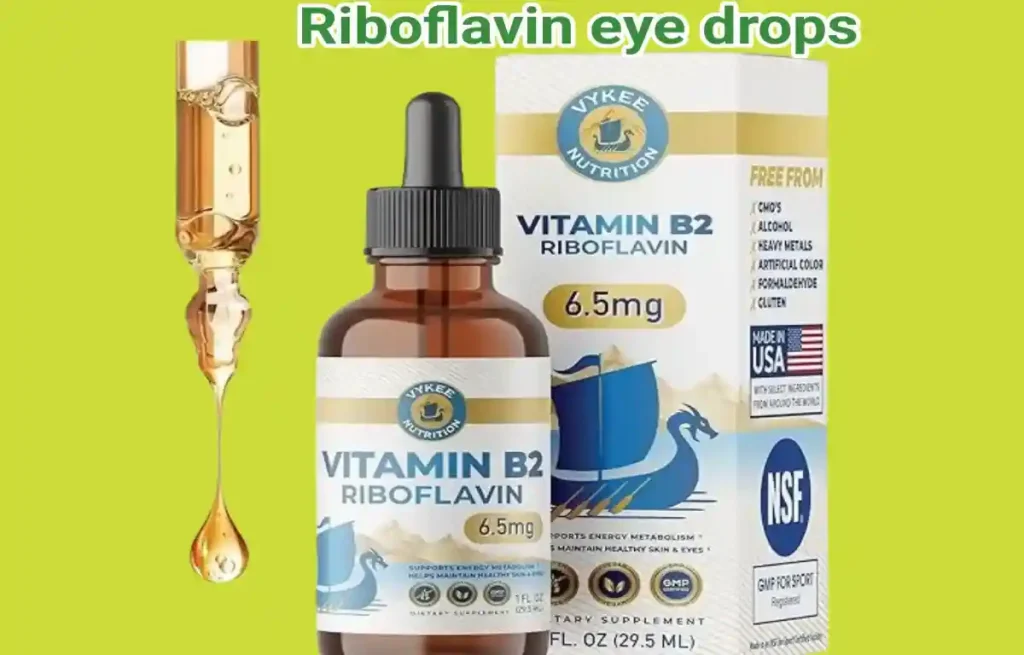
Riboflavin eye drops is used for ophthalmic purposes, it contain Vitamin B2. That beneficial in protecting the cornea and nourishing its cells. These drops are considered particularly beneficial for addressing eye weakness, dryness, irritation, and for use during certain eye treatment procedures. In many instances, doctors also utilize them during procedures such as corneal cross-linking. Activated by light exposure, Riboflavin contributes to strengthening the cornea. These eye drops should always be used in accordance with the advice of an eye specialist.
Ensure your hands are thoroughly cleaned before administering the drops, and avoid touching the tip of the bottle to your eye. Following application, you may experience mild stinging, watery eyes, or blurred vision for a short duration. If severe pain, redness, or an allergic reaction occurs, contact a physician immediately. Store the medication in a cool, dry place, and keep it out of the reach of children.
Related:- Tegoprazan tablet uses
Composition
The primary active ingredient in riboflavin eye drops is riboflavin, also known as Vitamin B2. This element, nourishing eye cells and strengthening the cornea. Many products also contain purified water, sodium chloride, buffering agents, and stabilizing excipients in addition to riboflavin.
Some eye drops may include dextran, hydroxypropyl methylcellulose, or lubricating agents.
Which provide moisture to the eyes. Solutions used in corneal cross-linking treatments contain a specific concentration of riboflavin solution. It provides support to the cornea during the light-activation process.
This drops typically contain the following ingredients:-
- Riboflavin Sodium Phosphate
- Sterile Water
- Sodium Chloride
- Buffering Agents
- Preservatives or a Preservative-Free Base
- For certain specialized ophthalmic procedures, additional stabilizing agents may also be added to the drops.
How do riboflavin drops work
These drops function primarily by being absorbed into the cornea of the eye. Upon exposure to light, riboflavin triggers a specific reaction that helps strengthen the corneal tissue.
Mechanism of action:-
- Delivering nutrients to tissues
- Penetration into the cornea
- Protection against free radicals
- Supporting Cellular Function
- Strengthening the corneal structure
In certain treatment protocols, these drops are used in conjunction with UV light to enhance corneal strength.
Riboflavin drops uses
Let’s know Riboflavin eye drops use.
- Corneal strengthening:- They are used to reinforce thin or weakened layers of the cornea.
- Assistance in keratoconus treatment:- Some ophthalmologists utilize these drops during specialized procedures to treat conditions such as Keratoconus.
- Nourishment for eye cells:- Riboflavin supports the normal functioning of eye cells.
- Protection against oxidative damage:- Due to its antioxidant properties, it can help protect the eyes from environmental damage.
- Ocular recovery:- In certain instances, doctors may recommend these drops following surgery or other treatments.
Potential benefits of riboflavin eye drops
1 Eye Nourishment:-
Vitamin B2 provides essential nourishment to eye cells.
2 Corneal Strengthening:-
It can help strengthen the structure of the cornea.
3 Relief from Eye Fatigue:-
Some individuals may find relief from eye strain caused by prolonged screen exposure.
4 Antioxidant Effects:-
Riboflavin helps protect cells from oxidative stress.
5 Eye Protection:-
It may offer protection against certain types of damage caused by dust, pollution, and light.
How to use riboflavin eye drops
- Wash your hands with soap.
- Keep the dropper clean.
- Tilt your head slightly backward.
- Gently pull your lower eyelid downward.
- Instill the prescribed number of drops.
- Keep your eye closed for a few seconds.
- Do not let the tip of the dropper touch your eye.
Standard doses
Use strictly as advised by a doctor. The dosage depends on the individual’s condition, age, and the purpose of the treatment.
Generally:-
Use 1 to 4 times per day. Dosage may vary for specific medical procedures.
Use continuously for the prescribed duration.
The right time to apply riboflavin eye drops
- Use in the morning
- Before going to sleep
- After using screens
- At the time prescribed by your doctor
- If you are using multiple types of eye drops, allow a gap of a few minutes between applications.
Side effects of riboflavin eye drops
Riboflavin eye drops are used in eye care and certain specialized ophthalmic treatment procedures. They contain Vitamin B2-based components. which can provide support to the cornea and eye cells. However, as with any medication, their use may result in side effects in some individuals. Most side effects are mild and temporary. But in certain situations, medical advice may be necessary.
Common Side Effects:-
- Eye irritation
- Mild stinging
- Blurred vision
- Watering of the eyes
- Redness
Less Common Side Effects:-
- Allergic reaction
- Swelling
- Severe burning sensation
- Sensitivity to light
- If severe problems occur, contact an eye specialist immediately.
Who should use with cation
- Individuals with allergies
- Avoid use if you are allergic to any of the ingredients.
- Pregnant women
- Use only after consulting a doctor.
- Breastfeeding women
- Use in children only upon medical advice.
- Contact lens users
- It is advisable to remove contact lenses before applying the drops.
Riboflavin eye drops and contact lenses
Many eye drops contain preservatives that can affect contact lenses. Therefore Remove your lenses before applying the drops. Reinsert them after 15 to 20 minutes. Follow your doctor’s instructions.
The importance of Vitamin B2 for eye health
- Vitamin B2 is essential for normal eye function.
- A vitamin B2 deficiency can lead to eye irritation
- Dryness
- Sensitivity to light
- Fatigue
- Vision-related issues
Symptoms of riboflavin deficiency
- Itchy eyes
- Dry eyes
- Redness
- Skin problems
- Weakness
- Cracked lips
- Burning sensation in the mouth
Natural sources of riboflavin
Dairy products:-
Milk
Yogurt
Cheese
Green vegetables:-
Spinach
Fenugreek
Broccoli
Grains
Whole grains:-
Oats
Other Sources:-
Eggs
Almonds
Mushrooms
How to store riboflavin eye drops
It is essential to store these drops properly. Store in a cool place and
Protect from direct sunlight. Keep the cap closed and Keep out of reach of children. Always check the expiration date.
Signs of spoiled eye drops
- Change in color
- Presence of an odor
- Cloudiness
- Damaged bottle
- In such cases, the drops should not be used.
Are riboflavin eye drops safe
They are generally considered safe for most people; however, safety depends on an individual’s health condition and how the drops are used. One should always follow a doctor’s advice.
Is It Appropriate to Use Them Without a Doctor’s Consultation?
The eyes are extremely sensitive organs. Therefore do not self-medicate.
Ensure you receive a proper diagnosis.
Adhere strictly to the prescribed dosage.
Riboflavin eye drops and digital screen
Nowadays, increased usage of mobile phones and computers places greater strain on the eyes. Consequently, some individuals may require nutritional support to help care for their eyes.
Tips for Screen Usage:-
- Follow the 20-20-20 rule.
- Give your eyes regular breaks.
- Drink adequate amounts of water.
- Ensure proper lighting.
Are these drops useful for dry eyes?
In certain cases, doctors may use these drops to support the surface of the eye. However, other specialized eye drops may also be required for the treatment of dry eyes.
Riboflavin and antioxidant properties
In addition to facilitating energy production within the body. Riboflavin helps reduce oxidative stress. Since the eyes are constantly exposed to light and environmental factors, antioxidant protection is crucial.
Precautions when using riboflavin eye drops
- Do not exceed the prescribed dosage.
- Do not share the drops with others.
- Do not use the drops in an infected eye without medical advice.
- Keep the tip of the bottle clean.
- Do not use expired medication.
When should you contact a doctor?
If you experience the following problems.
- Severe pain
- Sudden blurred vision
- Swelling
- Excessive redness
- Allergic reactions
- Seek immediate medical assistance upon these symptoms.
The bottom line
Riboflavin eye drops are a significant product used in eye care, containing Vitamin B2 based ingredients. They can aid in protecting the cornea, nourishing cells, and supporting the general functioning of the eyes. Their use is considered particularly crucial in certain specialized ophthalmic procedures.
However, no eye drops should be used without expert medical advice. Proper dosage, appropriate usage, and regular eye check-ups play a vital role in maintaining eye health. When combined with a balanced diet, a healthy lifestyle, and proper eye hygiene. Riboflavin-based care can be instrumental in sustaining optimal eye health.
Riboflavin eye drops related FAQs
Ans. What is the primary use of Riboflavin eye drops?
These drops are used to protect the cornea, nourish eye cells, and assist in the treatment of certain corneal conditions.
Ans. While these drops can support overall eye health, they are not considered a medication that directly enhances vision. Their intended purpose is typically to manage specific eye-related issues.
Ans. The eyes are delicate organs, therefore, it is generally not advisable to use any eye drops without consulting an eye specialist.
Ans. The frequency of use depends on the individual’s condition and a doctor’s advice. Generally, one should strictly adhere to the prescribed schedule and dosage.
Ans. Some individuals may experience mild irritation, stinging, or watery eyes after applying the drops. This sensation is often temporary.