


- Gokshura benefits for men to increase energy and stamina - July 20, 2026
- Flax seed benefits for hair uses and hair mask - July 9, 2026
- Black plum scientific name benefits and uses - June 19, 2026
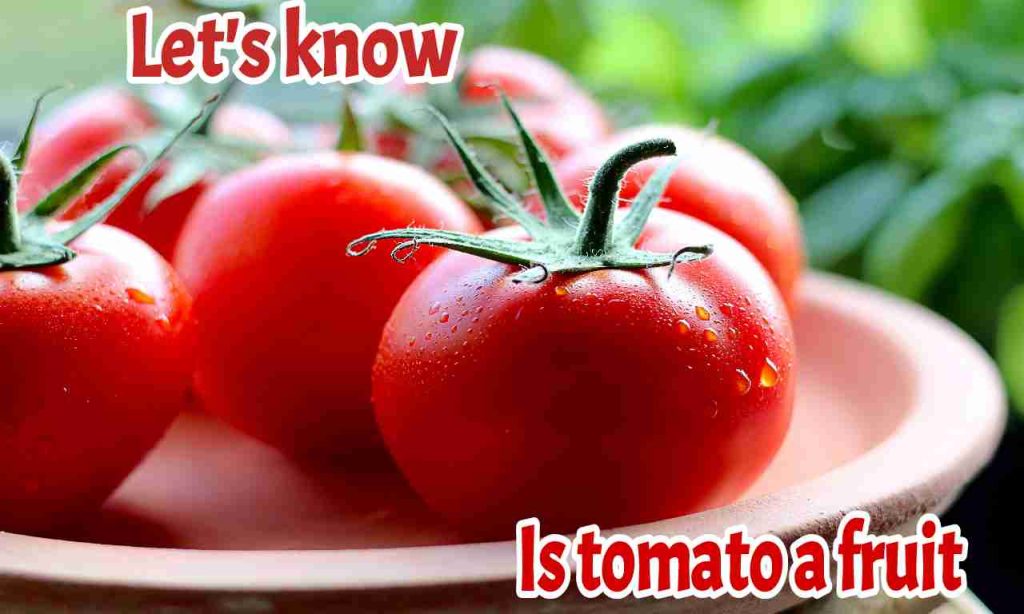
Tomatoes are a very popular food item, used as a vegetable in our everyday kitchens. However, scientifically, tomatoes are considered a fruit. Botanically, any part of a plant that develops from a flower and contains seeds is called a fruit. Tomatoes also develop from the flower of a plant and contain many small seeds, making them a fruit. The tomato plant belongs to the Solanaceae family and its scientific name is Solanum lycopersicum. Today we will know that how is tomato a fruit or vegetable.
Its origin is believed to be South America, from where it gradually spread to other parts of the world. Today, tomatoes are used in almost every kitchen. Although scientifically considered a fruit, they are often cooked as vegetables, depending on their taste and purpose. Salads, soups, sauces, chutneys, and a variety of other dishes are made from them. Tomatoes contain nutrients such as vitamin C, vitamin A, potassium, and lycopene.
Thus, the conclusion is that tomato is scientifically a fruit but is used as a vegetable in the kitchen.
Related:- Why drumstick is good for men
Tomato nutrients per 100gm
Tomato is a low-calorie, water-rich and antioxidant-rich fruit and vegetable. This is considered beneficial for digestion, heart health and skin. Let’s know major nutrients found in it, which is listed below.
Nutrients:-
- Energy (Calories) – about 18–20 calories
- Water – about 94–95%
- Carbohydrates – 3.5–4 grams
- Protein – 0.8–1 gram
- Fat – 0.2 grams
- Fiber (Dietary Fiber) – 1–1.5 grams
Vitamins:-
- Vitamin C – about 13–15 mg
- Vitamin A (Beta Carotene) – 833 IU
- Vitamin K – 7.9 mcg
- Vitamin B6
- Folate (Vitamin B9)
Minerals:-
- Potassium – about 230–240 mg
- Magnesium – 10–11 mg
- Phosphorus – 20–25 mg
- Calcium – 10 mg
- Iron – 0.3–0.5 mg
Other important nutrients:-
- Lycopene – 2500 – 3000 mcg Powerful Antioxidant
- Beta-Carotene – Rich in Antioxidant Properties
- Lutein and Zeaxanthin – Beneficial for Eye Health
How is tomato a fruit intresting and rare fact
Yes, how is tomato a fruit is botanically a fruit. It develops from the ovary of a flower and contains seeds, so it is biologically classified as a fruit. However, it is used as a vegetable in the kitchen, so the general public considers it a vegetable.
- Legal dispute:- In 1893, the US Supreme Court declared the tomato a vegetable due to tax rules. Even though it is scientifically a fruit.
- Original name:- The ancient Aztec name for tomatoes was “tomatl,” from which the English word “tomato” is derived.
- Color variety:- Tomatoes are found not only in red, but also in yellow, purple, green, and black.
- Lycopene source:- Lycopene, found in tomatoes, is a powerful antioxidant that becomes more active when cooked.
- Space cultivation:- Tomatoes were among the first plants to be grown in space.
- World tomato day:- World Tomato Day is celebrated every year on April 6th.
- A treasure trove of lycopene:- Tomatoes contain an antioxidant called lycopene, which becomes even more effective when cooked. Cooked tomatoes are considered more beneficial than raw ones.
- The world’s largest tomato:- According to records, the world’s heaviest tomato weighed over 3 kilograms. It was grown using special cultivation techniques.
Tomato botanical classification
Tomato is an important plant that used as both vegetable and fruit. Its scientific classification is as follows.
- Kingdom:- Plantae (Plant kingdom)
- Subkingdom:- Tracheobionta (Vascular plants)
- Division:- Magnoliophyta (Angiosperms)
- Class:- Magnoliopsida (Dicotyledons)
- subclass:- Asteridae
- Order:- Solanales
- Family:- Solanaceae (Solanaceae family)
- Genus:- Solanum
- Species:- Solanum lycopersicum Scientific
- Name:- Solanum lycopersicum
Tomato culinary classification
According to culinary science, is tomato a fruit are classified as vegetables. Although botany classifies them as fruits. Culinary wise, they are primarily used in savory dishes, making them a vegetable ingredient. Tomatoes are also recognized as a juicy herb, a flavoring, and an acidic vegetable. Their mild sourness and natural red color make them valuable in gravies, soups, chutneys, salads, and sauces. Traditional culinary traditions have often referred to tomatoes as main course accompaniments, color balancers, and flavor enhancers. Thus, culinary wise, tomatoes are clearly classified as vegetables.
How use tomato
Tomatoes are a versatile food, used in a variety of ways, from culinary to beauty. Below are the various uses of tomatoes in simple and unique terms.
- Vegetable and curries:- Tomatoes are chopped or ground into sabji, dal, and curries. This adds a slight tang and an attractive reddish color.
- Salad:- Fresh tomatoes are cut into round or long pieces and added to salads. This makes the food juicy and nutritious.
- Soups:- Thick tomato soup is especially popular in winter. It is boiled, strained, and then cooked with spices.
- Chutneys and sauces:- Homemade chutneys and sauces are made from tomatoes, which enhance the flavor of breakfast and snacks.
- Juices:- Fresh tomatoes can be juiced by adding black salt and pepper to make a healthy drink.
- Skin care:- Applying tomato juice to the face refreshes the skin and reduces excess oiliness.
- In pickles:- Tomatoes are also made into sweet and sour pickles in some regions, which keep for a long time.
- In sandwich and burgers:- Thinly sliced, tomato is used in sandwiches, burgers and wraps, adding flavour and moisture.
- Gravy base:- Tomato puree is the main base of gravy in many Indian dishes, which, along with spices, gives it a thick consistency.
- In pasta and pizza:- Tomato sauce is a main ingredient in Italian dishes like pasta and pizza.
Tomato benefits
Tomatoes are a nutritious and healthy fruit that provides numerous benefits to the body. They contain vitamin C, vitamin A, potassium, fiber, and lycopene. They help boost immunity, improve skin, and maintain heart health. Tomatoes improve digestion and relieve constipation. Being low in calories, they are also useful in weight management. Regular consumption provides energy, freshness, and natural balance to the body.
- Provides the essential vitamins and minerals.
- Strengthens the immune system.
- Helps in bringing a natural glow to the skin.
- Helps in maintaining good heart health.
- Helps in balancing blood pressure.
- Maintains smooth digestion.
- Provides relief from constipation.
- Useful option in weight management.
- Beneficial for eyesight.
- Helps in keeping the body hydrated.
- Helps in reducing inflammation.
- Contributes in strengthening bones.
- Helpful in balancing cholesterol levels.
- Useful in purifying the blood.
- Helpful in maintaining energy levels.
Who should avoid tomatoes
How is tomato a fruit are rich in nutrients, but some people should consume them with caution. Below is information about people who should eat tomatoes in moderation or under the advice of a doctor.
People with acidity or gas problems
Tomatoes contain a high amount of natural acid, which can increase stomach irritation, belching, and gas. People who frequently experience heartburn should consume tomatoes in limited quantities.
Kidney stone patients
Tomato seeds contain oxalate, which can aggravate certain types of stones. People with kidney stone problems should consume tomatoes and their seeds with caution.
People with arthritis
Tomatoes can increase inflammation, joint pain and arthritis in some people. If you feel increased pain after eating tomatoes, it is best to reduce their consumption.
People with allergies
Some people may experience allergic reactions to tomatoes, such as itching, redness, or burning in the mouth. If these symptoms appear, discontinue consumption immediately.
Patients with ulcers or stomach ulcers
The sourness of tomatoes can increase irritation in stomach ulcers or ulcers. Such patients should avoid eating raw tomatoes.
People with high potassium levels
Tomatoes contain potassium. People with pre-existing high potassium levels or kidney problems should eat tomatoes in limited quantities.
How grow tomato plants
Tomatoes are a popular and nutritious vegetable that can be easily grown on your rooftop, balcony, or in the field. With the right seeds, suitable soil, and balanced care, a bountiful harvest is achieved. The entire process for growing tomatoes is explained in simple way below.
- Selecting the right seeds:- Always choose disease resistant and high-quality seeds. Choose native or hybrid varieties suitable for the local climate. Fresh seeds provide better germination results.
- Suitable weather:- Tomatoes grow best in cool to moderate climates. October-November or January-February are considered ideal for sowing. Severe frost or extreme heat can harm the plants.
- Soil preparation:- Loamy, well-drained, and rich in organic matter is best. Adding rotted manure or compost to the soil provides the plants with essential nutrition.
- Method of sowing:- Sow the seeds 1–2 centimeters deep. Cover them with a light soil and sprinkle with water. Seedlings emerge within 7–10 days.
- Transplanting:- When the seedlings have 4–5 leaves, plant them in large pots or in the field at a distance of 1–1.5 feet. Transplanting is best done in the evening.
- Irrigation management:- Keep the soil slightly moist, but avoid waterlogging. Watering 2–3 times a week is sufficient. In summer, irrigation can be slightly increased.
- Fertilizer and nutrition:- Apply organic fertilizer or vermicompost every 15–20 days. Potassium-rich fertilizer is useful during flowering and fruit set.
- Support:- As the plants grow, provide support with wood or wire to keep the stems upright and prevent the fruits from touching the soil. This reduces the risk of disease.
- Pest and disease control:- If insects appear on the leaves, spray neem oil. Remove yellow or dry leaves. Use chemical fertilizers with caution.
- Fruit harvesting:- Tomatoes begin to ripen approximately 60–80 days after planting. Harvest when they turn slightly red. Timely harvesting promotes new fruit production.
Side effects of tomato
How is tomatoes a fruit are nutrient-rich fruit and vegetable, rich in vitamin C, potassium, lycopene, and antioxidants. They are considered beneficial for heart, skin, and digestive health. However, individual constitutions vary, so some may experience adverse effects from consuming tomatoes. Tomatoes are acidic in nature. Consuming them in excess can cause stomach upset, heartburn, belching, or gas. Those with pre-existing acid reflux or ulcers should limit their intake. Tomatoes can also cause allergic reactions in some individuals. And leading to symptoms such as itching, rashes, swelling, or a burning sensation in the throat.
If these symptoms occur, consumption should be discontinued immediately. Tomatoes contain oxalates, which, when accumulated in large quantities, can increase the risk of kidney stones. Additionally, excessive consumption may cause mild joint swelling or pain in some individuals. Thus, tomatoes are safe and beneficial in moderate amounts, but maintaining a balanced diet is essential. If you have any chronic disease, allergy or special health problem, it is better to consume it regularly only after consulting a doctor.
Conclusion
Ultimately, it becomes clear that a tomato is a botanical fruit because it develops from the ovary of a flower and contains seeds. This is considered the primary characteristic of a fruit. However, in everyday life and culinary traditions, tomatoes are often used as a vegetable. So they are commonly referred to as a vegetable. Thus, scientifically, a tomato is a fruit, while in culinary classification, it is classified as a vegetable.