
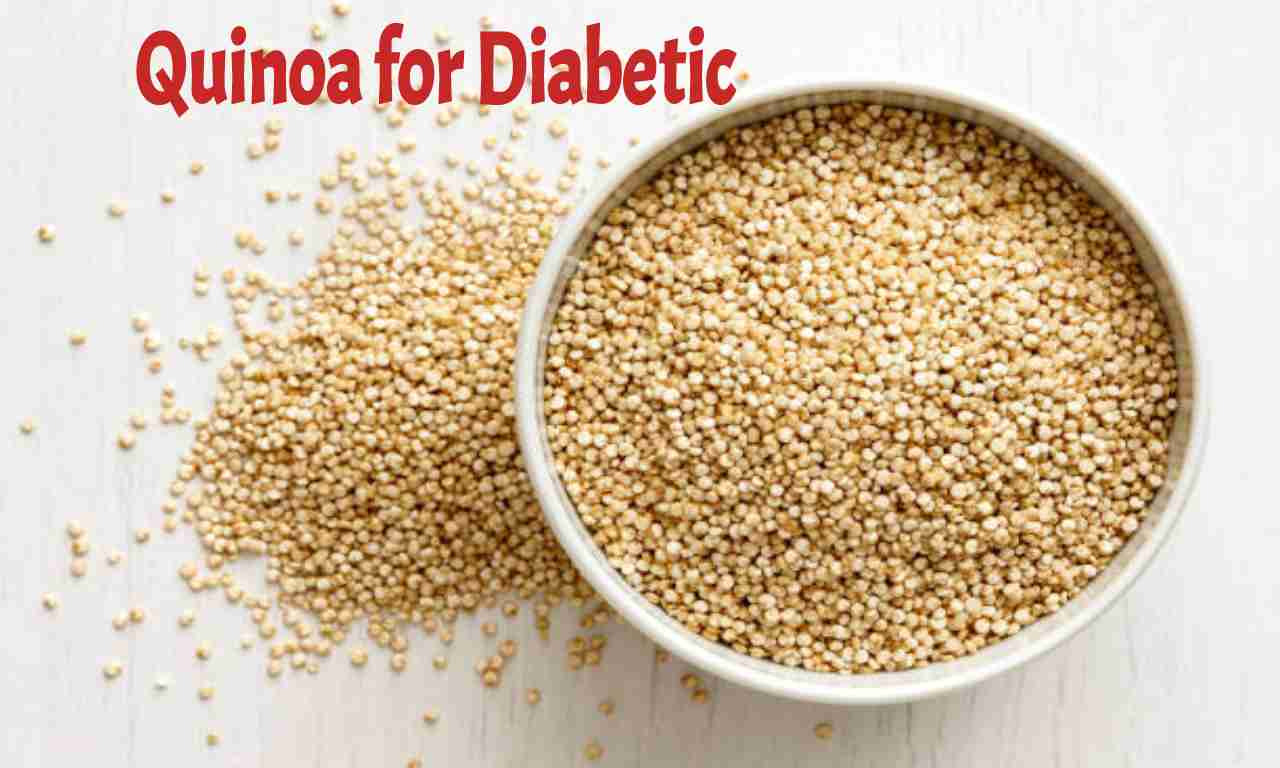
Diabetics can eat quinoa in moderation. It has a low glycemic index and is rich in fiber, protein, and essential minerals. Generally, about 30 to 50 grams of raw quinoa (about one cup cooked) is considered sufficient at one time. Consuming it three to four times a week is safe. That provided the total carbohydrate intake is balanced. The soluble fiber in quinoa allows blood sugar to rise slowly, preventing sudden glucose spikes. Elements like magnesium, iron, and potassium support heart health. Today we will know how much quinoa a diabetic eat.
However, portion control is essential, as excessive consumption can lead to carbohydrate overload. Eating it with vegetables, salads, lentils, or sprouted grains improves nutritional balance. Monitoring sugar levels after meals is beneficial. If someone is on insulin, medication, or a special diet, it is advisable to consult a doctor or dietitian. With appropriate portion sizes, regular exercise, adequate water intake, and a balanced lifestyle. Quinoa can be a helpful option for diabetes management.
Related:- How is tomato a fruit
What is quinoa
Quinoa is a nutritious grain-like seed, commonly known as kinua. It is native to south america and resembles small, round grains. It is also considered a superfood. Quinoa is high in protein and contains all essential amino acids. It is gluten-free, making it suitable for people with gluten allergies. It is rich in fiber, which improves digestion. Quinoa also contains iron, magnesium, and calcium. Cooked like rice, it is considered helpful in weight management. It is a balanced and beneficial diet for health. Let’s know how much quinoa a diabetic eat.
How much quinoa a diabetic eat, nutrients overview
Key nutrients found in 100 grams of raw quinoa. Which is listed below. These values are approximate figures based on general nutritional data. And may vary slightly depending on the variety and quality.
- Energy – 368 kcal
- Protein – 14 grams
- Carbohydrates – 64 grams
- Dietary fiber – 7 grams
- Fat – 6 grams
- Sugars – 4 grams
- Calcium – 47 mg
- Iron – 4.5 mg
- Magnesium – 197 mg
- Phosphorus – 457 mg
- Potassium – 563 mg
- Zinc – 3 mg
- Copper – 0.6 mg
- Manganese – 2 mg
- Selenium – 8 micrograms
- Vitamin B1 (thiamine) – 0.36 mg
- Vitamin B2 (riboflavin) – 0.3 mg
- Vitamin B6 – 0.5 mg
- Folate (vitamin B9) – 180 micrograms
- Vitamin E – 2.4 mg
Let’s know how much quinoa a diabetic eat?
Quinoa is considered a nutritious and balanced grain option for diabetics. Quinoa has a low glycemic index, preventing rapid spikes in blood sugar. Diabetics can typically eat about 1/2 cup of raw quinoa at a time. This amount is equivalent to approximately 80 to 100 grams of cooked quinoa. Consuming quinoa once a day is considered safe. If blood sugar is under control, it can be consumed 3 to 4 times a week. Quinoa is high in fiber, which slows glucose absorption. Being rich in protein, it keeps the stomach full for a longer period of time. Quinoa can be a good alternative to white rice.
Always eat cooked quinoa:- Eating it combined with vegetables is more beneficial. Eating too much can increase your total carbohydrate intake. Diabetics should be mindful of their total daily carb count. A balanced meal includes salad, lentils, and quinoa. A small amount of quinoa can be consumed for dinner. It can also be prepared as porridge for breakfast. Always eat cooked quinoa, not raw. It is best to consult a doctor or dietitian before deciding on the dosage. The dosage may vary depending on a person’s age, weight, and sugar level. Quinoa consumption should be accompanied by regular blood sugar monitoring.
Health benefits of quinoa
- Quinoa provides high-quality protein, which strengthens the body’s muscles.
- It contains all the essential amino acids, making it a complete protein source.
- Quinoa is rich in fiber, which helps improve the digestive system.
- Consuming it can help manage weight by keeping the stomach full for longer.
- Quinoa has a low glycemic index, which helps maintain blood sugar balance.
- It contains iron, which helps increase hemoglobin levels in the body.
- Quinoa is a good source of magnesium, which helps strengthen bones.
- It has antioxidant properties that protect the body from free radicals.
- Quinoa is considered beneficial for heart health because it helps maintain cholesterol levels.
- Its vitamin B content helps increase energy.
- Quinoa is gluten-free, making it suitable for gluten-sensitive individuals.
- Consuming it can nourish the skin, making it healthy and glowing.
- The potassium in quinoa helps regulate blood pressure.
- It helps strengthen the body’s immune system.
- Regular consumption improves overall health by providing the body with essential nutrients.
Quinoa glycemic index
Quinoa’s glycemic index is around 53, making it a low- to moderate-grade carbohydrate source. This means that blood sugar levels don’t rise rapidly after eating quinoa. But rather rise slowly and steadily. The soluble and insoluble fiber in quinoa slows down digestion, thereby controlling glucose absorption. This is why quinoa is considered a relatively good grain choice for diabetics.
Quinoa unknown and rare fact
Quinoa is known as super food from ancient history. Because it is beneficial for overall health. Let’s know unknown and rare fact in detail.
Quinoa is not a grain, but a pseudo cereal
Quinoa is commonly thought of as a grain, but botanically, it does not belong to the grass family. Its plant belongs to the Amaranthaceae family, hence its pseudo-cereal status. Its seeds are used like rice or wheat, making it distinct both nutritionally and structurally.
Sacred food in the inca civilization
The ancient Incas considered quinoa to be extremely sacred and called it the “Mother of All Grains.” The king himself performed the ceremony of sowing the first crop. It held a special place in religious rituals. It was not only a food but also a cultural symbol. How much quinoa a diabetic eat.
A 5,000 year old history
Quinoa cultivation began in the Andes mountain regions approximately 5,000 years ago. It was cultivated even in harsh climates. Local communities adopted it as a staple food. Its history is deeply intertwined with human agricultural development.
Ability to grow at high altitudes
This plant can grow successfully at altitudes very high above sea level. Even cold winds and low oxygen levels do not significantly affect its growth. This characteristic makes it a useful crop for farmers in hilly areas.
Natural saponin coating
Quinoa seeds contain a bitter compound called saponin. This coating provides protection from insects and birds. It is essential to wash them thoroughly before cooking. Once cleaned, their flavor becomes mild and pleasant.
International recognition
The United Nations declared 2013 the International Year of Quinoa. The aim was to promote its nutritional value globally. Following this declaration, its popularity grew in many countries. Today, it is recognized as a healthy food.
Complete protein source
Quinoa contains all nine essential amino acids. This characteristic distinguishes it from other plants. It is an excellent protein option for vegetarians. Including it in a balanced diet is considered beneficial.
Use of leaves
Not only the seeds but also the leaves are used in food. In some regions, they are cooked like spinach. The leaves are rich in nutrients. This plant is an example of its versatile nature.
Available in different colors
Quinoa is mainly found in white, red and black colors. Each color has a slightly different taste and texture. Red and black quinoa remains firmer when cooked. The white variety is considered the most popular.
Gluten-free feature
Quinoa is naturally gluten-free. This makes it a safe option for people who are allergic to gluten. People suffering from celiac disease can easily include it in their diet. It is also considered easy to digest.
Delicious quinoa recipe
- Quinoa pulao recipe:- Pulao Recipe Quinoa Pulao is a nutritious and light dish that can be incorporated into your daily diet. First, wash a cup of quinoa thoroughly and soak it for 10 minutes. Heat some ghee in a pan and fry cumin seeds, green chilies, and ginger. Add carrots, peas, and capsicum, and cook lightly. Now, add the soaked quinoa and two cups of water, cover, and a delicious pulao will be ready in 12–15 minutes.
- Quinoa upma:- Quinoa Upma is a healthy alternative to the traditional semolina upma. Boil the washed quinoa separately. Heat oil in a pan and temper with mustard seeds, curry leaves, and black gram. Add onions and vegetables and fry, then add the boiled quinoa. Season with salt and lemon juice and mix well. This is a great and balanced breakfast meal.
- Quinoa salad:- Quinoa salad is refreshing and helpful in weight management. Mix cucumber, tomato, onion, and boiled chickpeas with boiled quinoa. Season with black pepper, salt, and lemon juice. You can also add a little olive oil if desired. This recipe is especially beneficial and delicious in the summer.
- Quinoa khichdi:- Quinoa Khichdi is a light and easy-to-digest dish. Heat ghee in a pressure cooker and add cumin seeds and asafoetida. Add moong dal and washed quinoa. Add turmeric, salt, and vegetables, and add water. Cook for two whistles. This dish is suitable for children and the elderly.
- Quinoa cheela:- Quinoa Cheela is a protein-rich breakfast. Grind soaked quinoa into a batter. Add chopped onion, coriander, and spices. Spread it thinly on a pan with a little oil and fry until golden brown on both sides. This recipe is also a great option for tiffin.
Origin of quinoa
Quinoa is believed to have originated in the Andes mountain regions of South America, particularly around Peru and Bolivia. The crop is believed to be approximately 5,000 to 7,000 years old and was an important part of the diet of ancient civilizations. Its ability to grow easily in the high and harsh climates of the Andes made it a life-giving grain for the local people. Quinoa was considered highly sacred in the Inca civilization. It was called the “Mother Grain” because it was a nutritious and energy-giving food. It held a special place in religious rituals and celebrations. According to tradition, the Inca emperor personally sowed the first quinoa each year, reflecting the crop’s cultural significance. How much quinoa a diabetic eat.
History of quinoa
When Spanish conquistadors conquered South America in the 16th century. They downplayed quinoa cultivation and promoted European crops like wheat. This led to the decline of quinoa’s importance, but people living in mountainous. And remote areas continued to cultivate it and preserve its tradition. In the late 20th century, scientists and nutritionists researched quinoa’s properties. Its high-quality protein, essential amino acids, fiber, vitamins, and minerals brought it global recognition. In 2013, the United Nations declared the “International Year of Quinoa,” further increasing its popularity.
How to eat quinoa
You can consume quinoa in many different ways, as it is mild in taste and rich in nutrients.
- Wash quinoa thoroughly, boil it in water, and include it in your main meal like regular rice.
- You can make a healthy salad by mixing cooked quinoa with fresh vegetables, lemon juice, and olive oil.
- For breakfast, cook quinoa in milk or almond milk and add dried fruits and fruits to make a nutritious porridge called khichdi.
- Mixing it with lentils and vegetables is also a good option for making nutritious khichdi.
- Quinoa flour can be made into roti or paratha.
- You can add it to soups for both thickness and nutrition.
- Boiled quinoa can be mixed with yogurt and spices to make a light and easy-to-digest meal.
- It can also be sprouted and eaten as a salad or chaat.
- Quinoa can be roasted with vegetables to make a healthy pulao.
Side effects of quinoa
- Eating quinoa in large quantities can cause gas and bloating.
- The saponins present in it can cause a mild allergic reaction in some people.
- Those with kidney stones should exercise caution due to the oxalates present in it.
- Excessive consumption may cause diarrhea or stomach pain.
- Some individuals may experience difficulty digesting quinoa.
- Itching or rashes may appear on the body when consumed for the first time.
- Due to its high fiber content, sudden excessive consumption may cause indigestion.
- Thyroid patients should consume it in limited quantities.
- If quinoa is not washed properly, its bitter taste can cause stomach upset.
- Sensitive individuals may experience nausea or vomiting.
How much quinoa a diabetic eat related FAQs
Ans. Quinoa flour can be used to make roti or cheela, but it’s important to control the quantity to maintain a balanced carb intake.
Ans. Dosage in both cases depends on a person’s medication, insulin dosage, and physical activity, so individualized planning is essential.
Ans. It’s best to check your sugar levels before consuming it on an empty stomach. It’s generally considered appropriate to consume it as part of a balanced diet.
Ans. Yes, but limited quantities should be given considering digestive capacity and other conditions.
Ans. Generally, its effect is gradual, but each person’s body response can vary, so regular monitoring is essential.